

Defining The Main Functions Of Prefabricated Substations
Apr 15, 2026
Leave a message
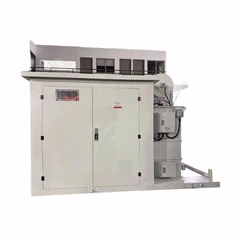
The main function of a prefabricated substation (also known as a box-type substation or prefabricated transformer) is to convert high-voltage electrical energy into low-voltage electrical energy and to achieve centralized distribution and control of electrical energy, serving as an intermediate hub for lines and distribution in a power system.
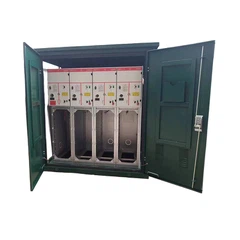
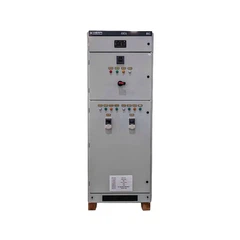
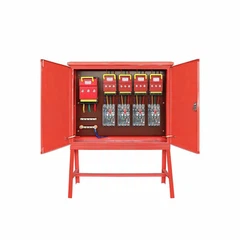
It integrates high-voltage switchgear, distribution transformers, low-voltage distribution equipment, energy metering, and reactive power compensation devices, forming a compact, fully enclosed, and portable complete set of power distribution equipment, suitable for three-phase AC systems with a rated voltage of 10/0.4kV. Its core functions include:
Voltage Conversion: Reducing high voltage (e.g., 10kV) to low voltage (e.g., 380V/220V) for use by residents, factories, or equipment.
Energy Distribution: Receiving and distributing electrical energy in residential areas, industrial and mining enterprises, construction sites, etc., to ensure electricity demand.
Integrated Protection: Possessing high and low voltage protection functions, such as fuses and circuit breakers, to ensure safe system operation.
Rapid deployment: Factory prefabrication and easy on-site installation make it particularly suitable for urban power grid upgrades, temporary power supply, and areas with complex terrain.
Send Inquiry