

Defining Application Scenarios Of Prefabricated Substations
Apr 14, 2026
Leave a message
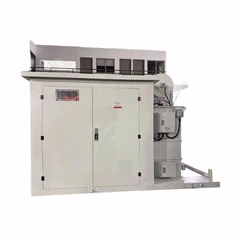
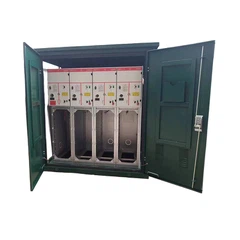
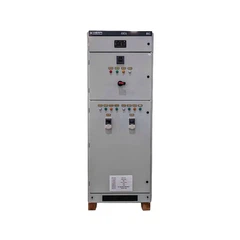
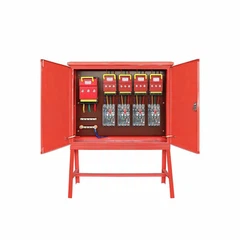
A prefabricated substation (also known as a box-type substation or prefabricated transformer substation) is a compact, complete set of power distribution equipment that combines high-voltage switchgear, distribution transformers, and low-voltage distribution devices into one or more enclosures according to a specific wiring scheme. It is widely used in various outdoor or temporary power supply scenarios.
Main application scenarios include:
Residential Communities and Urban Public Substations: Suitable for multi-story residential buildings, mid-rise and high-rise buildings, and busy urban areas. As an important facility for the construction and renovation of urban power distribution networks, it replaces traditional civil engineering substations, saving space and facilitating maintenance.
Industrial and Mining Enterprises and Industrial Sites: Widely used in factories, mines, oil and gas fields, etc., to provide a stable power supply for production facilities, especially suitable for temporary power access during construction.
Transportation Infrastructure: Used in airports, railways, subways, highways, etc., to meet high-reliability power supply requirements, supporting ring network or terminal power supply modes.
Commercial and Public Facilities: Suitable for shopping malls, hospitals, hotels, parks, and other public places, ensuring power safety and continuity.
New energy power generation systems serve as step-up or distribution nodes in wind and solar power plants, enabling centralized power management and grid-connected output.
Temporary or mobile power supply scenarios, such as construction sites, exhibitions, and emergency power supply, are widely used due to their portability and ease of installation.
Send Inquiry