

What is the rated voltage of AC Metal - enclosed Switchgear?
Sep 10, 2026
Leave a message
When it comes to electrical power systems, AC Metal-enclosed Switchgear plays a crucial role in ensuring the safe and efficient distribution of electricity. As a supplier of AC Metal-enclosed Switchgear, I often encounter questions from customers about the rated voltage of this equipment. In this blog post, I will delve into the concept of rated voltage, its significance in AC Metal-enclosed Switchgear, and how it impacts the performance and application of these products.
Understanding Rated Voltage
The rated voltage of AC Metal-enclosed Switchgear refers to the maximum voltage at which the switchgear is designed to operate continuously and safely. It is a fundamental parameter that determines the electrical insulation level, the breaking capacity, and the overall performance of the switchgear. The rated voltage is typically specified by the manufacturer and is based on the requirements of the electrical system in which the switchgear will be installed.
In general, the rated voltage of AC Metal-enclosed Switchgear can range from low voltage (LV) systems, typically below 1 kV, to medium voltage (MV) systems, which can go up to 36 kV or even higher in some cases. The choice of rated voltage depends on various factors, including the type of electrical load, the distance of power transmission, and the overall design of the electrical network.
Importance of Rated Voltage in AC Metal-enclosed Switchgear
The rated voltage is a critical factor in the design and operation of AC Metal-enclosed Switchgear for several reasons. Firstly, it determines the insulation requirements of the switchgear. Higher rated voltages require more robust insulation materials and designs to prevent electrical breakdown and ensure the safety of the equipment and personnel. For example, in a high-voltage switchgear system, the insulation must be able to withstand the high electrical stress without breaking down, which is essential for preventing short circuits and other electrical faults.


Secondly, the rated voltage affects the breaking capacity of the switchgear. The breaking capacity is the maximum current that the switchgear can interrupt safely under fault conditions. A higher rated voltage generally requires a higher breaking capacity to ensure that the switchgear can handle the fault current without damage. This is particularly important in electrical systems where short circuits can occur, as the switchgear must be able to isolate the fault quickly and prevent further damage to the system.
Finally, the rated voltage also influences the application and compatibility of the switchgear with other electrical equipment. Different electrical loads and systems have specific voltage requirements, and the switchgear must be selected to match these requirements. For example, a LV switchgear may be suitable for small commercial or residential applications, while a MV switchgear is typically used in industrial and utility applications.
Factors Affecting the Choice of Rated Voltage
When selecting the rated voltage of AC Metal-enclosed Switchgear, several factors need to be considered. One of the most important factors is the type of electrical load. Different types of loads have different voltage requirements, and the switchgear must be able to provide the appropriate voltage to ensure the proper operation of the load. For example, some industrial equipment may require a higher voltage to operate efficiently, while other loads may be designed to operate at a lower voltage.
Another factor to consider is the distance of power transmission. In long-distance power transmission systems, higher voltages are often used to reduce the power losses and improve the efficiency of the system. Therefore, the switchgear used in these systems must be able to handle the higher voltage levels.
The overall design of the electrical network also plays a role in the choice of rated voltage. The switchgear must be compatible with the other components of the network, such as transformers, generators, and distribution lines. The rated voltage of the switchgear should be selected to ensure that it can work effectively with these components and provide a reliable and stable power supply.
Our AC Metal-enclosed Switchgear Product Range
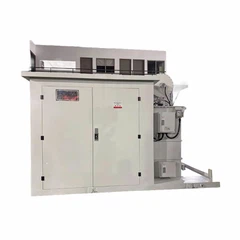
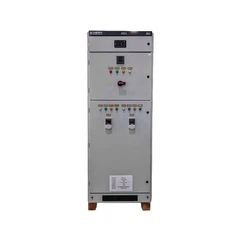
As a supplier of AC Metal-enclosed Switchgear, we offer a wide range of products with different rated voltages to meet the diverse needs of our customers. Our AC Metal-enclosed Switchgear is designed to provide reliable and efficient power distribution in various applications, including industrial, commercial, and utility sectors.
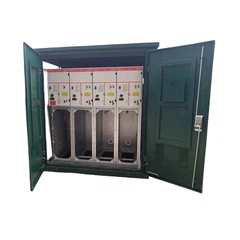
We also offer Smart Ring Main Unit and Metal Enclosed Interrupter Switchgear, which are specifically designed for medium voltage applications. These products are equipped with advanced features and technologies to ensure the safety and reliability of the electrical system.
Conclusion
In conclusion, the rated voltage of AC Metal-enclosed Switchgear is a critical parameter that determines the performance, safety, and compatibility of the equipment. When selecting the rated voltage, it is important to consider the type of electrical load, the distance of power transmission, and the overall design of the electrical network. As a supplier of AC Metal-enclosed Switchgear, we are committed to providing high-quality products with different rated voltages to meet the diverse needs of our customers.
If you are interested in our AC Metal-enclosed Switchgear products or have any questions about the rated voltage, please feel free to contact us. We are happy to provide you with more information and assist you in choosing the right switchgear for your application.
References
- Electrical Power Systems Engineering Handbook, Second Edition, by Turan Gonen
- High Voltage Engineering: Theory and Practice, Third Edition, by M. S. Naidu and V. Kamaraju
Send Inquiry