

What are the components of a Power Factor Correction Panel?
Oct 19, 2026
Leave a message
Power factor correction is a crucial aspect of electrical systems, aiming to improve the efficiency of power usage and reduce energy costs. As a supplier of Power Factor Correction Panels, I am well - versed in the components that make up these essential devices. In this blog, we will explore the key components of a Power Factor Correction Panel and understand how they work together to optimize power consumption.
Capacitor Banks
Capacitor banks are the heart of a Power Factor Correction Panel. They are used to counteract the inductive reactance in an electrical system. In most industrial and commercial electrical systems, there are many inductive loads such as motors, transformers, and fluorescent lighting. These inductive loads cause the current to lag behind the voltage, resulting in a low power factor. Capacitors, on the other hand, have a capacitive reactance that can be used to offset the inductive reactance.
When a capacitor is connected in parallel with an inductive load, it supplies reactive power to the system. This reduces the overall reactive power drawn from the power grid, thereby improving the power factor. The capacitor banks in a Power Factor Correction Panel are usually made up of multiple capacitors connected in parallel or series - parallel combinations. The size and number of capacitors are carefully selected based on the specific requirements of the electrical system, such as the load capacity and the desired power factor improvement. For more information about Power Factor Correction Panels, you can visit Power Factor Correction Panel.
Contactors
Contactors are electromechanical switches that are used to control the connection and disconnection of the capacitor banks to the electrical system. They are designed to handle high currents and are capable of switching the capacitor banks on and off rapidly and safely.
Contactors work based on the principle of electromagnetic attraction. When an electrical current is passed through the coil of the contactor, it creates a magnetic field that attracts the contacts, closing the circuit and connecting the capacitor bank to the system. When the current to the coil is interrupted, the magnetic field collapses, and the contacts open, disconnecting the capacitor bank.
The selection of contactors for a Power Factor Correction Panel is important. They need to be rated for the appropriate voltage and current levels to ensure reliable operation. Additionally, they should be able to withstand the inrush currents that occur when the capacitor banks are switched on.
Fuses
Fuses are an important safety component in a Power Factor Correction Panel. They are designed to protect the capacitor banks and other components from over - current conditions. When the current flowing through the fuse exceeds its rated value, the fuse element melts, breaking the circuit and preventing damage to the components.
Fuses are selected based on the rated current of the capacitor banks and the maximum expected inrush currents. They should be able to handle normal operating currents without blowing but should quickly interrupt the circuit in case of a fault. Different types of fuses, such as HRC (High Rupturing Capacity) fuses, are commonly used in Power Factor Correction Panels.
Power Factor Controller
The power factor controller is the brain of the Power Factor Correction Panel. It continuously monitors the power factor of the electrical system and controls the switching of the capacitor banks to maintain the desired power factor.
The power factor controller measures the voltage and current in the system and calculates the power factor. Based on the measured power factor, it determines whether to connect or disconnect capacitor banks to the system. It uses algorithms and control strategies to optimize the power factor correction process.
Modern power factor controllers are often equipped with advanced features such as digital displays, communication interfaces, and self - diagnostic capabilities. They can communicate with other devices in the electrical system and provide real - time information about the power factor and the status of the capacitor banks.
Surge Protectors
Surge protectors are used to protect the Power Factor Correction Panel from voltage surges and transient over - voltages. Voltage surges can be caused by lightning strikes, switching operations in the power grid, or other electrical disturbances. These surges can damage the sensitive components in the panel, such as the capacitors and the power factor controller.
Surge protectors work by diverting the excess voltage to the ground, protecting the components in the panel. They are usually installed at the input of the Power Factor Correction Panel and are designed to handle high - energy surges.
Enclosure
The enclosure of a Power Factor Correction Panel provides physical protection for the components inside. It is usually made of metal or plastic and is designed to be dust - proof, waterproof, and resistant to mechanical damage.
The enclosure also helps in preventing unauthorized access to the components. It may have doors or panels that can be locked to ensure the safety of the electrical system. Additionally, the enclosure is designed to provide proper ventilation to dissipate the heat generated by the components during operation.
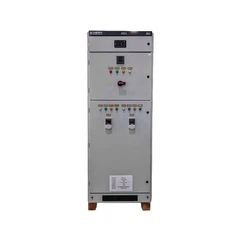
Mns Low Voltage Switchgear and Electrical Lv Panel Integration
In many electrical systems, the Power Factor Correction Panel is integrated with Mns Low Voltage Switchgear and Electrical Lv Panel. This integration allows for a more comprehensive and efficient electrical distribution system.
The Mns Low Voltage Switchgear provides a modular and flexible solution for power distribution. It can be easily integrated with the Power Factor Correction Panel to ensure proper control and protection of the electrical system. The Electrical Lv Panel, on the other hand, provides a convenient and organized way to connect the various electrical components, including the Power Factor Correction Panel.
Why Choose Our Power Factor Correction Panels?
Our Power Factor Correction Panels are designed with high - quality components and advanced technology to ensure reliable and efficient operation. We have a team of experienced engineers who can customize the panels according to the specific requirements of your electrical system.


Whether you are a small business or a large industrial facility, our Power Factor Correction Panels can help you improve your power factor, reduce energy costs, and enhance the overall efficiency of your electrical system. If you are interested in learning more about our products or would like to discuss your specific needs, we encourage you to reach out to us for a procurement consultation. We are committed to providing the best solutions for your power factor correction needs.
References
- Electrical Power Systems Engineering Handbook, Second Edition
- Power Quality in Electrical Systems by Bimal K. Bose
Send Inquiry