

How to select a relay for an Electrical Distribution Cabinet?
Sep 09, 2026
Leave a message
Selecting a relay for an electrical distribution cabinet is a crucial decision that can significantly impact the performance, safety, and efficiency of your electrical system. As a supplier of electrical distribution cabinets, I've seen firsthand how the right relay can make all the difference. In this blog, I'll share some tips on how to choose the perfect relay for your needs.
Understanding the Basics of Relays
Before we dive into the selection process, let's quickly go over what a relay is and how it works. A relay is an electrically operated switch that uses an electromagnet to control the flow of current in a circuit. When a small current is applied to the relay's coil, it creates a magnetic field that pulls a set of contacts together, allowing current to flow through the circuit. Relays are commonly used in electrical distribution cabinets to control the flow of power to different circuits, protect against overcurrent and short circuits, and provide remote control capabilities.
Types of Relays
There are several types of relays available, each with its own unique features and applications. Here are some of the most common types of relays used in electrical distribution cabinets:
- Electromechanical Relays: These are the most traditional type of relays and use an electromagnet to control the movement of contacts. They are known for their reliability, durability, and low cost.
- Solid-State Relays: These relays use semiconductor devices to control the flow of current, eliminating the need for moving parts. They are faster, more reliable, and have a longer lifespan than electromechanical relays.
- Reed Relays: These relays use a reed switch that is activated by a magnetic field. They are small, lightweight, and have a fast switching speed.
- Time Delay Relays: These relays are designed to delay the activation or deactivation of a circuit for a specific period of time. They are commonly used in applications where a delay is required, such as in motor control circuits.
Factors to Consider When Selecting a Relay
Now that you have a basic understanding of relays, let's look at some of the factors you should consider when selecting a relay for your electrical distribution cabinet.
1. Voltage and Current Ratings
The first thing you need to consider is the voltage and current ratings of the relay. The voltage rating refers to the maximum voltage that the relay can handle, while the current rating refers to the maximum current that the relay can carry. It's important to choose a relay with a voltage and current rating that is appropriate for your application. If the voltage or current rating is too low, the relay may not be able to handle the load, which can lead to overheating, damage, or even failure.
2. Contact Configuration
The contact configuration of a relay refers to the number and type of contacts that the relay has. There are several different contact configurations available, including single-pole single-throw (SPST), single-pole double-throw (SPDT), double-pole single-throw (DPST), and double-pole double-throw (DPDT). The contact configuration you choose will depend on the specific requirements of your application.
3. Coil Voltage
The coil voltage of a relay refers to the voltage that is required to activate the relay. It's important to choose a relay with a coil voltage that is compatible with your electrical system. If the coil voltage is too high or too low, the relay may not function properly.
4. Switching Speed
The switching speed of a relay refers to the time it takes for the relay to switch from one state to another. The switching speed is an important consideration in applications where fast switching is required, such as in motor control circuits.
5. Environmental Conditions
The environmental conditions in which the relay will be used are also an important consideration. If the relay will be used in a harsh environment, such as a high-temperature or high-humidity environment, you may need to choose a relay that is designed to withstand these conditions.
Applications of Relays in Electrical Distribution Cabinets
Relays are used in a wide variety of applications in electrical distribution cabinets. Here are some of the most common applications:
- Circuit Protection: Relays are commonly used to protect against overcurrent and short circuits. They can be used to automatically disconnect a circuit in the event of an overload or short circuit, preventing damage to the electrical system.
- Motor Control: Relays are used to control the operation of motors in electrical distribution cabinets. They can be used to start, stop, and reverse the direction of a motor, as well as to control the speed of the motor.
- Remote Control: Relays can be used to provide remote control capabilities for electrical distribution cabinets. They can be used to turn on and off circuits from a remote location, allowing for greater flexibility and convenience.
- Signal Switching: Relays are used to switch signals in electrical distribution cabinets. They can be used to switch between different signals, such as audio, video, or data signals.
Where to Find the Right Relay for Your Electrical Distribution Cabinet
As a supplier of electrical distribution cabinets, I offer a wide range of relays to meet the needs of my customers. Whether you need an electromechanical relay, a solid-state relay, or a time delay relay, I can help you find the right relay for your application. I also offer a variety of other electrical components and accessories, such as circuit breakers, fuses, and switches, to help you build a complete electrical distribution system.
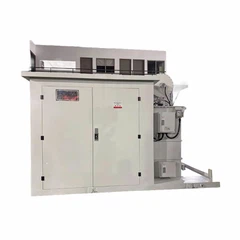
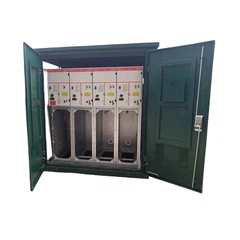
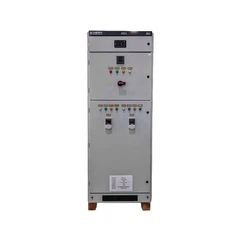
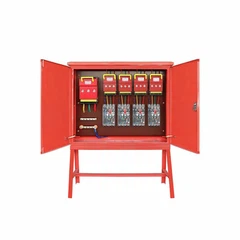
If you're interested in learning more about relays or other electrical components, I encourage you to visit my website at Ac Power Distribution Cabinet, Low Voltage Distribution Cabinet, or Outdoor Power Distribution Room. You can also contact me directly to discuss your specific needs and get a quote for your project.


Conclusion
Selecting the right relay for your electrical distribution cabinet is an important decision that can have a significant impact on the performance, safety, and efficiency of your electrical system. By considering the factors outlined in this blog, you can choose a relay that is appropriate for your application and ensure that your electrical system operates smoothly and reliably. If you have any questions or need help selecting a relay, please don't hesitate to contact me. I'm here to help you find the right solution for your needs.
References
- Electrical Engineering Handbook, Third Edition, by Richard C. Dorf
- Relay Handbook, Eighth Edition, by Eaton Corporation
- Electrical Power Distribution Handbook, by Dugan, McGranaghan, and Beaty
Send Inquiry