

How to select the contactor for low voltage switchgear?
Sep 11, 2026
Leave a message
Selecting the right contactor for low voltage switchgear is a critical decision that can significantly impact the performance, safety, and efficiency of an electrical system. As a low voltage switchgear supplier, I understand the importance of making informed choices when it comes to contactor selection. In this blog post, I will share some key considerations and guidelines to help you choose the most suitable contactor for your low voltage switchgear applications.
Understanding the Basics of Contactors
Before delving into the selection process, it's essential to have a clear understanding of what a contactor is and how it functions. A contactor is an electrically controlled switch that is used to make or break an electrical circuit. It consists of a coil, contacts, and an enclosure. When the coil is energized, it creates a magnetic field that pulls the contacts together, closing the circuit. When the coil is de-energized, the contacts open, interrupting the current flow.
Contactors are commonly used in low voltage switchgear to control the power supply to motors, lighting systems, heating elements, and other electrical loads. They provide a reliable and efficient way to start, stop, and control the operation of these loads.
Key Factors to Consider When Selecting a Contactor
1. Load Type and Current Rating
The first step in selecting a contactor is to determine the type of load it will be controlling and the corresponding current rating. Different types of loads have different electrical characteristics, such as inductive, resistive, or capacitive loads. Inductive loads, such as motors, require a contactor with a higher current rating to handle the inrush current during startup. Resistive loads, such as heaters, have a more stable current draw and may require a lower current rating.
It's important to choose a contactor with a current rating that is suitable for the maximum current that the load will draw. This ensures that the contactor can handle the load without overheating or causing premature wear and tear.
2. Voltage Rating
The voltage rating of the contactor must match the voltage of the electrical system in which it will be installed. Using a contactor with a lower voltage rating than the system voltage can result in arcing, overheating, and damage to the contactor. Conversely, using a contactor with a higher voltage rating than necessary can be costly and may not provide any additional benefits.
3. Coil Voltage
The coil voltage of the contactor is the voltage required to energize the coil and close the contacts. It's important to choose a contactor with a coil voltage that is compatible with the control circuit voltage. Common coil voltages include 12V, 24V, 110V, and 230V.
4. Number of Poles
The number of poles refers to the number of separate circuits that the contactor can control. Single-pole contactors are used to control a single circuit, while multi-pole contactors can control multiple circuits simultaneously. The number of poles required depends on the specific application and the number of loads that need to be controlled.
5. Contact Material and Configuration
The contact material and configuration of the contactor can have a significant impact on its performance and durability. Common contact materials include silver, silver alloy, and copper. Silver contacts offer excellent conductivity and low contact resistance, making them suitable for high-current applications. Silver alloy contacts provide a good balance between conductivity and durability, while copper contacts are more cost-effective but may have higher contact resistance.
The contact configuration refers to the arrangement of the contacts within the contactor. Common contact configurations include normally open (NO), normally closed (NC), and changeover (CO) contacts. NO contacts are open when the coil is de-energized and close when the coil is energized. NC contacts are closed when the coil is de-energized and open when the coil is energized. CO contacts can be used to switch between two different circuits.
6. Environmental Conditions
The environmental conditions in which the contactor will be installed must also be considered. Factors such as temperature, humidity, dust, and vibration can affect the performance and reliability of the contactor. For example, contactors installed in high-temperature environments may require special heat-resistant materials or cooling mechanisms. Contactors installed in dusty or humid environments may require additional protection to prevent corrosion and contamination.
Selecting the Right Contactor for Your Low Voltage Switchgear
Once you have considered the key factors outlined above, you can start the process of selecting the right contactor for your low voltage switchgear. Here are some steps to follow:
1. Determine the Load Requirements
Start by identifying the type of load that the contactor will be controlling and the corresponding current and voltage ratings. This will help you narrow down your options and choose a contactor that is suitable for the specific application.
2. Research Different Contactor Models
There are many different contactor models available on the market, each with its own unique features and specifications. Research different models from reputable manufacturers to find the one that best meets your requirements. Look for contactors that are designed for your specific application and have a proven track record of reliability and performance.
3. Consider the Manufacturer's Reputation
The reputation of the manufacturer is an important factor to consider when selecting a contactor. Choose a manufacturer that has a good reputation for producing high-quality products and providing excellent customer support. You can research the manufacturer's reputation by reading customer reviews, checking industry ratings, and consulting with other professionals in the field.
4. Evaluate the Cost
The cost of the contactor is also an important consideration. While it's important to choose a contactor that meets your requirements, you also want to make sure that it is within your budget. Compare the prices of different contactor models from different manufacturers to find the best value for your money.
5. Consult with an Expert
If you're unsure about which contactor to choose or have any questions about the selection process, it's a good idea to consult with an expert. An electrical engineer or a professional in the field can provide valuable insights and guidance based on their experience and expertise.
Conclusion
Selecting the right contactor for low voltage switchgear is a crucial decision that can have a significant impact on the performance and reliability of your electrical system. By considering the key factors outlined in this blog post and following the steps for selecting the right contactor, you can ensure that you choose a contactor that is suitable for your specific application and meets your requirements.


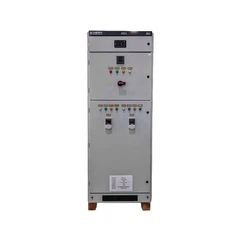
If you're in the market for low voltage switchgear or need assistance with contactor selection, please don't hesitate to reach out to us. We're a leading supplier of Low-voltage AC Switchgear, Electrical Lv Panel, and Mns Low Voltage Switchgear, and we're here to help you find the right solutions for your needs.
References
- Electrical Installation Guide, Schneider Electric
- Low Voltage Switchgear Handbook, Siemens
- Contactors: Selection and Application Guide, ABB
Send Inquiry