

How to calculate the cost of an Integrated Substation?
Sep 29, 2026
Leave a message
Hey there! As a supplier of Integrated Substations, I often get asked about how to calculate the cost of these nifty pieces of equipment. It's not as straightforward as you might think, but don't worry, I'm here to break it down for you in a way that's easy to understand.
Understanding the Basics of an Integrated Substation
First things first, let's quickly go over what an integrated substation is. An integrated substation combines various electrical components like transformers, switchgear, and control systems into a single, compact unit. This setup offers a lot of advantages, such as saving space, reducing installation time, and improving overall efficiency.
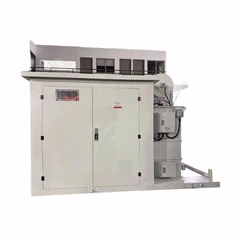
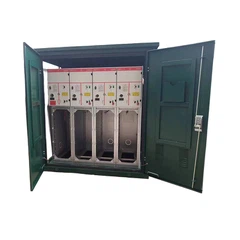
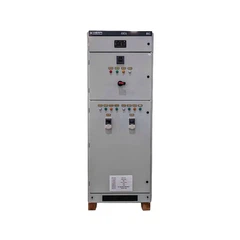
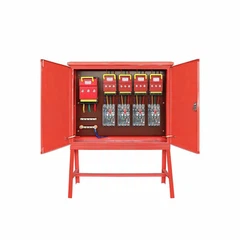
There are different types of integrated substations out there, like Low Voltage Substation, Containerized Electrical Substation, and Compact Substation Unit. Each type has its own features and cost factors.
Factors Affecting the Cost of an Integrated Substation
1. Capacity and Power Rating
One of the biggest factors that influence the cost is the capacity and power rating of the substation. The higher the power rating, the more expensive the substation will be. This is because higher power ratings require larger transformers, more robust switchgear, and better cooling systems. For example, a small-scale substation for a residential area might have a lower power rating and thus cost less compared to a large industrial substation.
2. Components and Equipment
The quality and type of components used in the substation also play a huge role in determining the cost. High-quality transformers, switchgear, and control systems are more expensive but offer better performance and reliability. For instance, a substation with a state-of-the-art digital control system will cost more than one with a basic analog system.
3. Design and Customization
If you need a custom-designed substation to meet specific requirements, it will cost more than a standard off-the-shelf model. Customization can include things like special enclosures, unique electrical configurations, or additional safety features. The more customized the substation, the higher the cost.
4. Installation and Commissioning
The cost of installation and commissioning is another important factor. This includes the labor costs, transportation of the substation to the site, and the cost of connecting it to the existing electrical grid. The complexity of the installation, such as the location and accessibility of the site, can also affect the overall cost.
5. Maintenance and Lifespan
Don't forget about the long-term costs of maintenance and the expected lifespan of the substation. A high-quality substation might have a higher upfront cost but could save you money in the long run by requiring less maintenance and having a longer lifespan.
Calculating the Cost
Step 1: Determine Your Requirements
The first step in calculating the cost is to figure out your specific requirements. This includes the power rating, the type of components you need, and any customization options. Make a list of all the features and specifications you want in your substation.
Step 2: Get Quotes from Suppliers
Once you have a clear idea of your requirements, it's time to reach out to suppliers and get quotes. As a supplier myself, I always recommend getting quotes from multiple sources to compare prices and services. When you get a quote, make sure it includes all the costs, such as the cost of the equipment, installation, and commissioning.
Step 3: Consider the Total Cost of Ownership
When evaluating the cost, don't just look at the upfront price. Consider the total cost of ownership, which includes the cost of maintenance, energy consumption, and any potential downtime. A substation that is more expensive upfront but has lower long-term costs might be a better investment in the long run.
Step 4: Analyze the Quotes
Once you have received quotes from different suppliers, take the time to analyze them carefully. Compare the prices, the quality of the components, and the level of service offered. Look for any hidden costs or additional fees that might not be immediately obvious.


Tips for Reducing the Cost
1. Opt for Standard Designs
If possible, choose a standard design instead of a custom one. Standard designs are usually more cost-effective because they are mass-produced and require less engineering work.
2. Negotiate with Suppliers
Don't be afraid to negotiate with suppliers. You might be able to get a better price by asking for discounts or additional services. Remember, suppliers want your business, so they might be willing to work with you to find a solution that fits your budget.
3. Consider Long-Term Costs
As I mentioned earlier, consider the long-term costs when making your decision. A substation that is more energy-efficient or requires less maintenance might be more expensive upfront but could save you money in the long run.
Conclusion
Calculating the cost of an integrated substation can be a complex process, but by understanding the factors that affect the cost and following the steps outlined above, you can make an informed decision. As a supplier, I'm here to help you every step of the way. If you're interested in purchasing an integrated substation, don't hesitate to reach out for a quote. We can work together to find the best solution for your needs and budget.
References
- Electrical Power Systems Engineering textbooks
- Industry reports on substation technology and cost analysis
Send Inquiry