

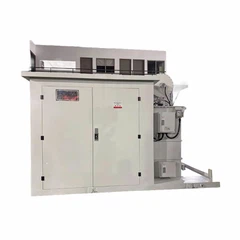
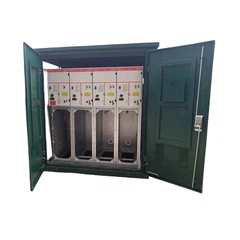
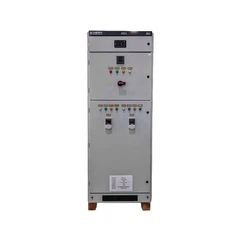
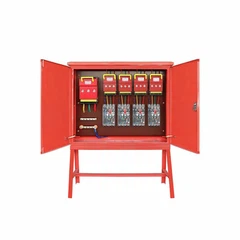
What are the transportation requirements for a Compact Transformer Substation?
Sep 28, 2026
Leave a message
Transportation Requirements for a Compact Transformer Substation
As a supplier of Compact Transformer Substations, I understand the critical importance of proper transportation to ensure these vital pieces of equipment reach their destination in optimal condition. Compact Transformer Substations are essential for the efficient distribution of electrical power, and any damage during transportation can lead to significant operational issues and costly repairs. In this blog, I will discuss the key transportation requirements for a Compact Transformer Substation.
1. Size and Weight Considerations
Compact Transformer Substations come in various sizes and weights, depending on their capacity and design. Before transportation, it is crucial to accurately determine the dimensions and weight of the substation. This information is essential for selecting the appropriate transportation mode and equipment. For instance, larger and heavier substations may require specialized heavy-haul trucks or even flatbed trailers. The weight distribution within the substation also needs to be considered to ensure safe loading and transportation. Uneven weight distribution can cause instability during transit, increasing the risk of damage.
2. Packaging and Protection
Proper packaging is a fundamental requirement for transporting a Compact Transformer Substation. The substation should be securely packaged to protect it from physical damage, moisture, and other environmental factors. Typically, a combination of wooden crates, foam padding, and plastic sheeting is used to provide adequate protection. The packaging should be designed to withstand the rigors of transportation, including vibrations, shocks, and impacts. Additionally, any sensitive components within the substation, such as control panels and electrical equipment, should be individually wrapped and secured to prevent movement and damage.
3. Loading and Unloading
Loading and unloading a Compact Transformer Substation require careful planning and execution. Specialized equipment, such as cranes or forklifts, is often used to lift and move the substation. It is essential to ensure that the loading and unloading areas are level and stable to prevent accidents. During loading, the substation should be positioned correctly on the transportation vehicle to ensure proper weight distribution. The use of straps, chains, or other securing devices is necessary to prevent the substation from shifting during transit. Similarly, during unloading, the substation should be carefully lowered and placed in its designated location.
4. Transportation Mode
The choice of transportation mode depends on several factors, including the distance, size, and weight of the substation. For short distances, trucks are often the most convenient and cost-effective option. However, for longer distances or when transporting large substations, rail or sea transportation may be more suitable. Rail transportation can handle heavy loads and is generally more stable than road transportation. Sea transportation is ideal for international shipments or when transporting substations to remote locations. Each transportation mode has its own set of requirements and regulations, and it is important to comply with them to ensure a smooth and safe transportation process.
5. Route Planning
Route planning is a critical aspect of transporting a Compact Transformer Substation. The route should be carefully selected to avoid obstacles, such as low bridges, narrow roads, or sharp turns. Additionally, the route should be evaluated for its load-bearing capacity to ensure that the transportation vehicle can safely carry the substation. In some cases, special permits may be required to transport oversized or overweight loads. It is important to obtain these permits well in advance to avoid delays.
6. Insurance
Insurance is an important consideration when transporting a Compact Transformer Substation. Given the high value of these substations, it is essential to have adequate insurance coverage to protect against potential damage or loss during transportation. The insurance policy should cover all aspects of the transportation process, including loading, transit, and unloading. It is advisable to work with a reputable insurance provider who has experience in insuring electrical equipment.
7. Monitoring and Tracking
During transportation, it is important to monitor and track the substation to ensure its safety and timely delivery. This can be done using various technologies, such as GPS tracking devices. These devices can provide real-time information about the location, speed, and status of the transportation vehicle. Monitoring the substation during transit allows for early detection of any potential issues, such as delays or damage, and enables prompt action to be taken.
8. Compliance with Regulations
Transporting a Compact Transformer Substation requires compliance with various regulations and standards. These regulations may include safety requirements, environmental regulations, and transportation laws. It is important to stay updated on these regulations and ensure that all transportation activities are carried out in accordance with them. Failure to comply with these regulations can result in fines, delays, or even legal issues.
Conclusion
Transporting a Compact Transformer Substation is a complex process that requires careful planning and execution. By considering the size and weight, packaging and protection, loading and unloading, transportation mode, route planning, insurance, monitoring and tracking, and compliance with regulations, we can ensure that the substation reaches its destination safely and in optimal condition. As a [Compact Transformer Substation] supplier, we are committed to providing our customers with high-quality products and reliable transportation services. If you are interested in purchasing a [Compact Transformer Substation], please feel free to contact us for more information and to discuss your specific requirements. We look forward to working with you to meet your power distribution needs.


If you are considering the purchase of a Compact Transformer Substation, we invite you to explore our product range. You can find more information about our 11 KV Compact Substation, Compact Unit Substation, and Compact Transformer Substation on our website. Contact us today to start a conversation about how we can meet your specific needs and requirements.
References
- Electrical Power Systems: Design, Operation, and Control by Ali Keyhani
- Handbook of Electric Power Calculations by Hadi Saadat
- Transportation Regulations and Standards: A Comprehensive Guide
Send Inquiry