

How to test the functionality of a Terminal Distribution Box?
Nov 13, 2026
Leave a message
Hey there! As a supplier of Terminal Distribution Boxes, I know how crucial it is to ensure these boxes work flawlessly. In this blog, I'll walk you through how to test the functionality of a Terminal Distribution Box.
Understanding the Terminal Distribution Box
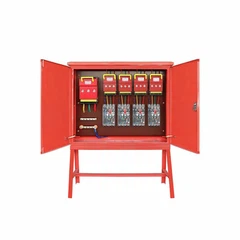
Before we jump into the testing process, let's quickly go over what a Terminal Distribution Box is. It's a key component in electrical systems, used to distribute power and signals to different parts of a circuit. It helps in organizing and managing electrical connections, making it easier to troubleshoot and maintain the system.
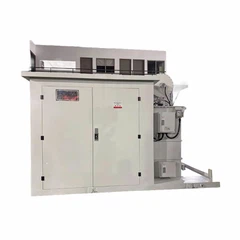
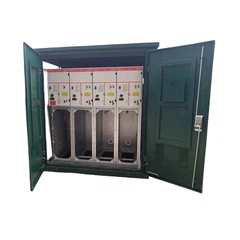
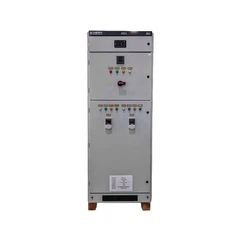
If you're looking for other related products, you might want to check out the Distro Power Box, Motor Control Cabinet, and Ac Power Distribution Cabinet.
Pre - test Preparations
First things first, safety is super important. Make sure you've got the right personal protective equipment (PPE), like insulated gloves and safety glasses. Also, disconnect the power supply to the Terminal Distribution Box. You don't want any accidental electrical shocks while you're testing.
Next, give the box a visual inspection. Look for any obvious signs of damage, like cracks in the housing, loose wires, or burnt components. If you find any issues, it's best to address them before you start testing.
Testing the Electrical Connections
One of the most basic tests is to check the electrical connections. You'll need a multimeter for this. Set the multimeter to the resistance mode. Start by testing the continuity between the terminals. Touch the probes of the multimeter to two terminals. If the multimeter shows a low resistance (close to zero), it means there's a good electrical connection. If it shows infinite resistance, there's a break in the connection.
Check all the terminals one by one. Make sure there are no loose or corroded connections. Corrosion can increase the resistance and cause problems in the long run. If you find any corroded terminals, clean them with a wire brush and some electrical contact cleaner.


Testing the Voltage Output
After checking the connections, it's time to test the voltage output. Re - connect the power supply (but be careful!) and set the multimeter to the voltage mode. Measure the voltage at the output terminals of the Terminal Distribution Box.
The voltage should match the specifications of the box. If it's too high or too low, there could be an issue with the power source or the internal components of the box. For example, if the box is supposed to output 220V and you're getting only 200V, it might be a sign of a problem.
Testing the Load Capacity
Another important test is to check the load capacity of the Terminal Distribution Box. You can do this by connecting a known load to the box. For example, you can use a set of light bulbs or a small electrical appliance.
Start with a small load and gradually increase it. Monitor the box for any signs of overheating or abnormal behavior. If the box starts to get too hot or if there are any flickering lights, it means the box might not be able to handle the load.
It's also a good idea to check the temperature of the box during the load test. You can use an infrared thermometer to measure the temperature of the components and the housing. If the temperature rises above the recommended level, it's a sign that the box is being overloaded.
Testing the Protection Features
Terminal Distribution Boxes usually come with protection features like fuses and circuit breakers. These features are designed to protect the box and the connected equipment from over - current and short - circuits.
To test the fuses, you can use a multimeter to check if they're blown. Set the multimeter to the resistance mode and touch the probes to the two ends of the fuse. If the multimeter shows infinite resistance, the fuse is blown and needs to be replaced.
For circuit breakers, you can manually trip them and then reset them. Make sure they trip at the right current level. You can use a current - testing device to measure the current at which the circuit breaker trips.
Testing the Grounding
Proper grounding is essential for the safety of the Terminal Distribution Box and the people using it. To test the grounding, you can use a grounding tester. Connect the tester to the grounding terminal of the box and to a known good ground.
The tester should show a low resistance, indicating that the grounding is working properly. If the resistance is too high, it means there's a problem with the grounding connection. You might need to check the grounding wire for any breaks or loose connections.
Post - test Checks
Once you've completed all the tests, give the box another visual inspection. Make sure all the connections are tight and there are no signs of damage or overheating. Also, check the functionality of any additional features, like indicators or switches.
If everything looks good, you can re - connect the power supply and put the box back into service. But keep an eye on it for the first few hours to make sure there are no issues.
Why Testing is Important
Testing the Terminal Distribution Box is not just a formality. It helps in ensuring the safety and reliability of the electrical system. A faulty box can cause power outages, damage to equipment, and even electrical fires. By testing the box regularly, you can catch any problems early and prevent them from becoming major issues.
Contact for Purchase and Consultation
If you're in the market for a high - quality Terminal Distribution Box, or if you have any questions about the testing process or our products, don't hesitate to reach out. We're here to help you find the right solution for your electrical needs. Whether you're working on a small project or a large - scale industrial application, we've got the expertise and the products to meet your requirements.
References
- Electrical Engineering Handbook by Richard C. Dorf
- National Electrical Code (NEC)
- Manufacturer's Manuals for Terminal Distribution Boxes
Send Inquiry