

Can low voltage switchgear be used in hazardous environments?
Jul 06, 2026
Leave a message
Can low voltage switchgear be used in hazardous environments? This is a question that often comes up in industries where safety and reliability are of utmost importance. As a supplier of low voltage switchgear, I have encountered this query numerous times, and in this blog, I aim to provide a comprehensive answer based on scientific knowledge and industry experience.
Understanding Low Voltage Switchgear
Low voltage switchgear refers to electrical equipment used to control, protect, and isolate electrical circuits operating at voltages typically below 1000 volts. It includes circuit breakers, contactors, relays, and other components that work together to ensure the safe and efficient distribution of electrical power. These switchgears are commonly used in commercial, industrial, and residential settings to manage electrical loads and prevent electrical faults.
Hazardous Environments: A Complex Challenge
Hazardous environments are areas where there is a risk of fire, explosion, or other dangerous conditions due to the presence of flammable gases, vapors, dust, or other combustible materials. These environments can be found in industries such as oil and gas, chemical processing, mining, and pharmaceuticals. The use of electrical equipment in these areas requires special consideration to prevent ignition sources and ensure the safety of personnel and property.
Compatibility of Low Voltage Switchgear in Hazardous Environments
The answer to whether low voltage switchgear can be used in hazardous environments is not a simple yes or no. It depends on several factors, including the type of hazardous environment, the specific requirements of the application, and the design and certification of the switchgear.
Types of Hazardous Environments
There are different types of hazardous environments, classified based on the nature of the hazardous substances present and the likelihood of their presence. The most common classification systems are the International Electrotechnical Commission (IEC) and the National Electrical Code (NEC) in the United States. These systems define different zones or classes based on the probability of the presence of flammable gases, vapors, or dust.
Design and Certification
For low voltage switchgear to be used in hazardous environments, it must be designed and certified to meet specific safety standards. These standards ensure that the switchgear is constructed to prevent the ignition of flammable substances and to withstand the harsh conditions of the hazardous environment.
Certification bodies such as Underwriters Laboratories (UL), International Electrotechnical Commission (IEC), and ATEX (European Union) provide guidelines and certification for electrical equipment used in hazardous areas. Switchgear that meets these standards is typically labeled with a certification mark indicating its suitability for use in specific hazardous environments.
Special Considerations
In addition to design and certification, there are several other considerations when using low voltage switchgear in hazardous environments:
- Enclosure Design: The switchgear enclosure must be designed to prevent the ingress of flammable substances and to contain any potential explosions. It should be made of materials that are resistant to corrosion and mechanical damage.
- Sealing and Gasketing: Proper sealing and gasketing are essential to prevent the entry of hazardous substances into the switchgear. This helps to maintain the integrity of the enclosure and prevent the ignition of flammable gases or vapors.
- Temperature and Humidity: Hazardous environments may have extreme temperature and humidity conditions. The switchgear must be designed to operate within these conditions without compromising its performance or safety.
- Maintenance and Inspection: Regular maintenance and inspection of the switchgear are crucial to ensure its continued safe operation. This includes checking for any signs of wear, damage, or corrosion, and replacing any faulty components.
Applications of Low Voltage Switchgear in Hazardous Environments
Despite the challenges, low voltage switchgear can be used in a variety of hazardous environments, provided that the appropriate safety measures are taken. Some common applications include:


- Oil and Gas Industry: In oil refineries, offshore platforms, and petrochemical plants, low voltage switchgear is used to control and protect electrical circuits in areas where flammable gases and vapors are present.
- Chemical Processing: Chemical plants require reliable electrical equipment to operate safely. Low voltage switchgear is used to control pumps, motors, and other equipment in areas where hazardous chemicals are handled.
- Mining Industry: Mines are often hazardous environments due to the presence of dust, gases, and explosive materials. Low voltage switchgear is used to provide power to mining equipment and to ensure the safety of miners.
- Pharmaceutical Industry: In pharmaceutical manufacturing facilities, low voltage switchgear is used to control and protect electrical systems in areas where flammable solvents and chemicals are used.
Our Low Voltage Switchgear Solutions
As a supplier of low voltage switchgear, we understand the importance of providing reliable and safe solutions for hazardous environments. Our switchgear products are designed and manufactured to meet the highest safety standards and are suitable for use in a wide range of hazardous applications.
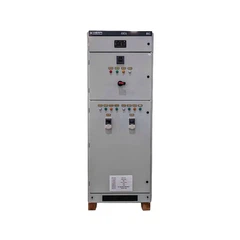
We offer a variety of low voltage switchgear solutions, including Power Factor Correction Panel, Electrical Lv Panel, and Power Factor Improvement Panel. These products are designed to provide efficient power distribution, protection, and control in hazardous environments.
Our switchgear products are also available with a range of optional features and accessories, such as explosion-proof enclosures, sealing gaskets, and temperature sensors, to ensure their suitability for specific hazardous applications.
Conclusion
In conclusion, low voltage switchgear can be used in hazardous environments, but it requires careful consideration of the specific requirements of the application and the design and certification of the switchgear. By choosing the right switchgear and implementing the appropriate safety measures, it is possible to ensure the safe and reliable operation of electrical systems in hazardous areas.
If you are looking for a reliable supplier of low voltage switchgear for your hazardous environment application, please contact us. Our team of experts can provide you with the information and support you need to make the right choice for your project.
References
- International Electrotechnical Commission (IEC). (2014). IEC 60079-0:2014 Explosive atmospheres - Part 0: General requirements.
- National Fire Protection Association (NFPA). (2017). NFPA 70: National Electrical Code.
- Underwriters Laboratories (UL). (2015). UL 1203: Explosionproof and Dust-ignitionproof Electrical Equipment for Use in Hazardous (Classified) Locations.
Send Inquiry