

What is the temperature rise limit of AC Metal - enclosed Switchgear?
Oct 16, 2026
Leave a message
What is the Temperature Rise Limit of AC Metal - enclosed Switchgear?
As a supplier of AC Metal - enclosed Switchgear, I often receive inquiries from customers about the temperature rise limit of these switchgears. Understanding this limit is crucial for ensuring the safe and efficient operation of electrical systems. In this blog, I will delve into the concept of temperature rise limit, its significance, and the factors that influence it in AC Metal - enclosed Switchgear.
The Concept of Temperature Rise Limit
The temperature rise limit refers to the maximum allowable increase in temperature above the ambient temperature that a component or equipment can withstand during normal operation. In the case of AC Metal - enclosed Switchgear, it is a critical parameter that determines the performance and lifespan of the switchgear.
When electrical current flows through the conductors and components of the switchgear, heat is generated due to the resistance of the materials. If the temperature rises too high, it can lead to a variety of problems, such as reduced insulation performance, accelerated aging of materials, and even potential fire hazards. Therefore, setting a reasonable temperature rise limit is essential to ensure the reliability and safety of the switchgear.
Significance of Temperature Rise Limit
- Safety: Maintaining the temperature within the specified limit is crucial for preventing overheating and potential fire accidents. High temperatures can cause the insulation materials to degrade, leading to short - circuits and electrical failures. By adhering to the temperature rise limit, we can significantly reduce the risk of safety hazards.
- Performance and Reliability: Excessive temperature rise can affect the electrical performance of the switchgear. For example, it can increase the resistance of conductors, resulting in higher power losses and reduced efficiency. Moreover, it can also cause mechanical components to expand and contract, leading to loose connections and potential malfunctions. By controlling the temperature rise, we can ensure the stable and reliable operation of the switchgear.
- Lifespan: The lifespan of the switchgear is closely related to the operating temperature. High temperatures can accelerate the aging process of materials, reducing the service life of the switchgear. By keeping the temperature within the limit, we can extend the lifespan of the switchgear and reduce the frequency of replacements.
Factors Influencing the Temperature Rise Limit
- Load Current: The load current is one of the primary factors that affect the temperature rise of the switchgear. As the current increases, the heat generated by the conductors also increases. Therefore, the switchgear needs to be designed to handle the expected load current without exceeding the temperature rise limit.
- Ambient Temperature: The ambient temperature has a significant impact on the temperature rise of the switchgear. In a high - temperature environment, the switchgear has less room for temperature increase before reaching the limit. Therefore, the design of the switchgear needs to take into account the expected ambient temperature conditions.
- Insulation Materials: The quality and type of insulation materials used in the switchgear also affect the temperature rise limit. High - quality insulation materials with good heat - resistance properties can withstand higher temperatures without degrading. Therefore, selecting the appropriate insulation materials is crucial for ensuring the temperature rise limit is met.
- Ventilation and Cooling: Adequate ventilation and cooling are essential for dissipating the heat generated by the switchgear. Poor ventilation can cause the heat to accumulate, leading to higher temperature rises. Therefore, the switchgear should be designed with proper ventilation channels and cooling systems to maintain the temperature within the limit.
Standards and Regulations
There are several international and national standards and regulations that specify the temperature rise limit for AC Metal - enclosed Switchgear. For example, the International Electrotechnical Commission (IEC) standard IEC 62271 - 200 provides detailed requirements for the temperature rise of high - voltage switchgear and controlgear. These standards ensure that the switchgear meets the necessary safety and performance requirements.
Our Products and Temperature Rise Management
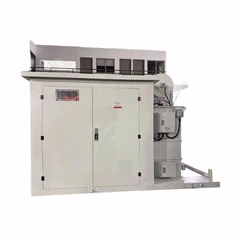
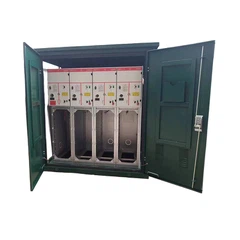
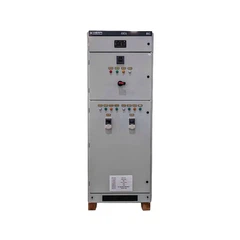
As a supplier of AC Metal - enclosed Switchgear, we are committed to providing high - quality products that meet the strict temperature rise limits. Our product range includes Triangular Ring Main Unit, Smart Ring Main Unit, and Draw - out Switchgear.


We use advanced design and manufacturing techniques to ensure that our switchgears are optimized for heat dissipation. Our products are equipped with efficient ventilation systems and high - quality insulation materials to minimize the temperature rise. Moreover, we conduct rigorous testing and quality control procedures to ensure that our products meet the relevant standards and regulations.
Contact Us for Purchase and Consultation
If you are interested in our AC Metal - enclosed Switchgear products or have any questions about the temperature rise limit, please feel free to contact us. We have a team of experienced professionals who can provide you with detailed information and technical support. Whether you are planning a new project or need to replace your existing switchgear, we can offer you the best solutions to meet your requirements.
References
- International Electrotechnical Commission (IEC). IEC 62271 - 200: High - voltage switchgear and controlgear - Part 200: AC metal - enclosed switchgear and controlgear for rated voltages above 1 kV and up to and including 52 kV.
- National Electrical Manufacturers Association (NEMA). Standards related to electrical switchgear and controlgear.
Send Inquiry