

What is the function of the reactor in high voltage switchgear?
Oct 14, 2026
Leave a message
In the realm of high voltage switchgear, reactors play a pivotal and multi - faceted role. As a high voltage switchgear supplier, I've witnessed firsthand the significance of reactors in ensuring the smooth and safe operation of electrical systems. This blog post aims to delve into the functions of reactors in high voltage switchgear, shedding light on their importance and how they contribute to the overall performance of such systems.
1. Limiting Short - Circuit Currents
One of the primary functions of reactors in high voltage switchgear is to limit short - circuit currents. In an electrical power system, a short - circuit can occur due to various reasons such as insulation failure, equipment malfunction, or external factors like lightning strikes. When a short - circuit happens, an extremely high current can flow through the system, which can cause severe damage to electrical equipment, including switchgear, transformers, and cables.
Reactors are designed to introduce impedance into the circuit. According to Ohm's law (I = V/Z), where I is the current, V is the voltage, and Z is the impedance, by increasing the impedance of the circuit, the short - circuit current can be effectively limited. For example, in a high voltage network, a series reactor can be installed in the circuit. When a short - circuit occurs, the reactor's impedance restricts the flow of excessive current, protecting the downstream equipment from over - current damage. This not only enhances the safety of the electrical system but also reduces the maintenance and replacement costs associated with damaged equipment.
2. Improving Power Factor
Power factor is a crucial parameter in electrical systems, which measures the efficiency of power utilization. A low power factor means that a significant amount of reactive power is being consumed, resulting in increased energy losses and reduced system capacity. Reactors can be used to improve the power factor in high voltage switchgear.
Shunt reactors are commonly employed for this purpose. They absorb the reactive power generated by capacitive loads in the system, such as long transmission lines. By compensating for the reactive power, the power factor is improved, and the overall efficiency of the electrical system is enhanced. This leads to reduced energy consumption, lower electricity bills, and better utilization of the power generation and transmission capacity.
3. Dampening Harmonics
In modern electrical systems, non - linear loads such as power electronic devices, variable speed drives, and arc furnaces are widely used. These non - linear loads generate harmonics, which are multiples of the fundamental frequency of the power supply. Harmonics can cause various problems, including overheating of equipment, interference with communication systems, and malfunction of protective relays.
Reactors can act as harmonic filters in high voltage switchgear. By carefully selecting the reactor's inductance and resistance values, specific harmonics can be attenuated. For instance, a tuned reactor can be designed to resonate at a particular harmonic frequency, effectively reducing the amplitude of that harmonic. This helps to maintain the power quality of the electrical system and ensures the reliable operation of sensitive equipment.
4. Controlling Voltage
Reactors also play a role in voltage control in high voltage switchgear. In long transmission lines, the capacitance of the line can cause the voltage to rise at the receiving end, especially under light - load conditions. This phenomenon is known as the Ferranti effect.
Shunt reactors can be used to counteract the Ferranti effect by absorbing the excess reactive power and reducing the voltage at the receiving end. On the other hand, series reactors can be used to limit the voltage drop in the circuit under heavy - load conditions. By adjusting the impedance of the series reactor, the voltage across the load can be maintained within an acceptable range, ensuring the stable operation of electrical equipment.
5. Enhancing System Stability
The stability of an electrical power system is of utmost importance. Reactors contribute to system stability in several ways. By limiting short - circuit currents, reactors prevent large - scale disruptions in the system. During a fault, if the short - circuit current is not properly limited, it can cause the system to lose synchronism, leading to blackouts.


Moreover, reactors help to dampen oscillations in the system. In a power system, oscillations can occur due to sudden changes in load or generation. Reactors with appropriate damping characteristics can absorb the energy associated with these oscillations, preventing them from growing and causing instability.
Different Types of High Voltage Switchgear and Reactors
As a high voltage switchgear supplier, we offer a variety of switchgear types, each with its own requirements for reactors.
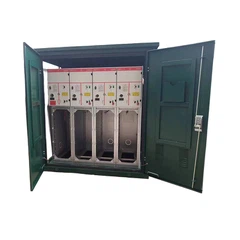
- Triangular Ring Main Unit: The Triangular Ring Main Unit is a compact and reliable solution for medium - voltage distribution networks. Reactors in this type of switchgear are used to limit short - circuit currents and improve power factor. The design of the triangular ring main unit allows for easy installation and maintenance of reactors, ensuring the efficient operation of the network.
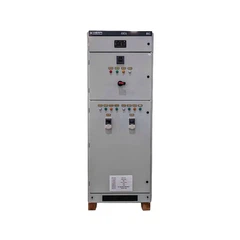
- Draw - out Switchgear: Draw - out Switchgear provides flexibility in maintenance and operation. Reactors in draw - out switchgear can be easily removed and replaced, which is beneficial for maintenance and upgrades. They are used to perform functions such as limiting short - circuit currents and dampening harmonics, ensuring the long - term reliability of the switchgear.
- Metal Enclosed Interrupter Switchgear: Metal Enclosed Interrupter Switchgear offers high - level protection and safety. Reactors in this type of switchgear are designed to work in a sealed environment, providing reliable performance. They help to control voltage, limit short - circuit currents, and improve power factor, contributing to the overall stability of the electrical system.
Conclusion
In conclusion, reactors are essential components in high voltage switchgear, performing a wide range of functions that are crucial for the safe, efficient, and stable operation of electrical systems. From limiting short - circuit currents and improving power factor to dampening harmonics and controlling voltage, reactors play a vital role in protecting equipment, reducing energy losses, and maintaining power quality.
As a high voltage switchgear supplier, we understand the importance of reactors and offer high - quality switchgear solutions that are equipped with the right reactors for different applications. If you are in the market for high voltage switchgear and want to learn more about how reactors can enhance the performance of your electrical system, we invite you to contact us for a detailed discussion and procurement negotiation. We are committed to providing you with the best products and services to meet your specific needs.
References
- Electric Power Systems: Analysis and Control by A. Gómez - Expósito, C. Canizares, and J. C. Vásquez
- High Voltage Engineering: Theory and Practice by M. S. Naidu and V. Kamaraju
Send Inquiry