

What is the cost of low voltage switchgear?
Oct 19, 2026
Leave a message
Hey there! As a supplier of low voltage switchgear, I often get asked about the cost of these products. It's a question that doesn't have a one - size - fits - all answer, and in this blog, I'll break down the factors that influence the cost of low voltage switchgear.
1. Types of Low Voltage Switchgear
First off, let's talk about the different types of low voltage switchgear. There are various kinds, each with its own set of features and price points.
-
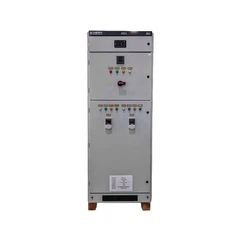
Power Factor Correction Panel: This type of switchgear helps in improving the power factor of an electrical system. By reducing reactive power, it can lead to significant energy savings. You can learn more about it Power Factor Correction Panel. The cost of a power factor correction panel depends on its capacity, the quality of components used, and the level of automation. A basic panel with lower capacity might cost a few thousand dollars, while a high - end, large - capacity panel could cost tens of thousands.
-
Mns Low Voltage Switchgear: Mns switchgear is known for its modular design, which allows for easy installation and expansion. It's widely used in industrial and commercial applications. You can find more details about it Mns Low Voltage Switchgear. The cost of Mns low voltage switchgear is influenced by the number of compartments, the rating of the circuit breakers, and the complexity of the control system. A small - scale Mns switchgear for a small business might cost around $5,000 - $10,000, while a large - scale system for an industrial plant could cost upwards of $50,000.
-
Power Factor Controller Panel: This panel is used to monitor and control the power factor in an electrical system. It ensures that the power factor remains within the desired range. Check out Power Factor Controller Panel for more information. The cost of a power factor controller panel is affected by the number of channels, the accuracy of the control, and the brand. A simple controller panel might cost around $1,000 - $3,000, while a more advanced one could cost $5,000 or more.
2. Component Quality
The quality of components used in low voltage switchgear plays a huge role in determining its cost. High - quality components, such as circuit breakers, contactors, and relays, are more expensive but offer better performance and reliability. For example, a well - known brand of circuit breaker will cost more than a generic one. The advantage of using high - quality components is that they have a longer lifespan, require less maintenance, and are less likely to fail, which can save money in the long run.
3. Customization
If a customer needs a custom - designed low voltage switchgear, the cost will be higher. Customization can involve adding special features, such as specific control functions, communication interfaces, or unique enclosures. The design and engineering work required for customization add to the overall cost. For instance, if a customer wants a switchgear with a specific color or a unique shape to fit into a particular space, the manufacturer has to invest more time and resources in the production process.
4. Installation and Commissioning
The cost of installing and commissioning low voltage switchgear is another important factor. Installation involves mounting the switchgear, connecting the electrical circuits, and ensuring that everything is working properly. Commissioning includes testing the switchgear to make sure it meets the required standards and specifications. The complexity of the installation and commissioning process depends on the size and type of the switchgear. For a small - scale switchgear, the installation and commissioning cost might be a few hundred dollars, while for a large - scale industrial system, it could be several thousand dollars.
5. Maintenance and Support
Low voltage switchgear requires regular maintenance to ensure its proper functioning. The cost of maintenance includes inspecting the components, replacing worn - out parts, and performing tests. Some suppliers offer maintenance contracts, which can range from a few hundred dollars per year for a basic package to several thousand dollars for a comprehensive service. Additionally, technical support is also important. If a customer encounters a problem with the switchgear, they need to be able to get quick and reliable support from the supplier.
6. Market Conditions
Market conditions can also affect the cost of low voltage switchgear. Factors such as the price of raw materials, labor costs, and competition in the market play a role. For example, if the price of copper, which is used in electrical conductors, increases, the cost of switchgear will also go up. Similarly, if there is high competition in the market, suppliers might offer lower prices to attract customers.
7. Safety Standards
Meeting safety standards is crucial for low voltage switchgear. Switchgear that meets international safety standards, such as IEC or UL, will generally cost more. These standards ensure that the switchgear is safe to use and reduces the risk of electrical accidents. Manufacturers have to invest in research and development to ensure that their products meet these standards, and this cost is passed on to the customers.
Conclusion
So, as you can see, the cost of low voltage switchgear is influenced by many factors. Whether you're looking for a power factor correction panel, Mns low voltage switchgear, or a power factor controller panel, it's important to consider all these aspects before making a decision. If you're in the market for low voltage switchgear and want to discuss your specific requirements, feel free to reach out to us. We can provide you with a detailed quote based on your needs and help you choose the right switchgear for your application.


References
- Electrical Equipment Handbook
- Industry Reports on Low Voltage Switchgear
Send Inquiry