

What are the seismic resistance requirements for an Integrated Substation?
Jun 25, 2026
Leave a message
As a supplier of Integrated Substations, I've been asked a lot about the seismic resistance requirements for these important pieces of infrastructure. Seismic events can be incredibly destructive, and ensuring that our substations can withstand them is crucial for maintaining power supply and preventing widespread damage.
Let's start by understanding why seismic resistance is so important. Earthquakes can cause ground shaking, surface rupture, and even tsunamis in some cases. For an Integrated Substation, this means that the structures, equipment, and electrical systems need to be able to handle the forces generated by these events. If a substation fails during an earthquake, it can lead to power outages, which can have a significant impact on industries, hospitals, and everyday life.
Key Seismic Resistance Requirements
Structural Integrity
The first and most obvious requirement is that the substation's structure must be able to withstand the seismic forces. This includes the building housing the equipment, as well as any support structures for transformers, switchgear, and other components. The design should take into account the local seismic hazard, which is determined by factors such as the proximity to fault lines and the historical earthquake activity in the area.
We use advanced engineering techniques to design our substations to be as resilient as possible. This might involve using reinforced concrete, steel frames, and other materials that can absorb and dissipate the energy from an earthquake. For example, we can design the building to have flexible connections that allow it to move with the ground during an earthquake, rather than resisting the motion and potentially breaking.
Equipment Protection
The equipment inside the substation is also at risk during an earthquake. Transformers, switchgear, and other electrical components need to be secured to prevent them from toppling over or being damaged. This can be achieved through the use of seismic restraints, such as brackets and bolts, that hold the equipment in place.
In addition, the electrical systems themselves need to be designed to withstand the electrical surges and disruptions that can occur during an earthquake. This might involve using surge protectors, grounding systems, and other measures to ensure that the equipment remains operational and safe.
Site Selection and Preparation
The location of the substation is also an important factor in its seismic resistance. We need to choose a site that is away from areas prone to landslides, liquefaction, and other earthquake-related hazards. The soil conditions at the site also need to be carefully evaluated, as soft or unstable soil can amplify the seismic forces and increase the risk of damage.


Before constructing the substation, we conduct a detailed geotechnical investigation to understand the soil properties and determine the appropriate foundation design. This might involve using deep foundations, such as piles, to provide a stable base for the substation.
Meeting the Requirements
At our company, we take seismic resistance very seriously. We have a team of experienced engineers who are experts in designing and building substations that can withstand earthquakes. We follow international standards and guidelines, such as those set by the International Electrotechnical Commission (IEC) and the American Society of Civil Engineers (ASCE), to ensure that our substations meet the highest safety and performance standards.
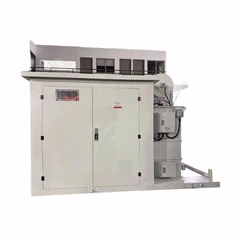
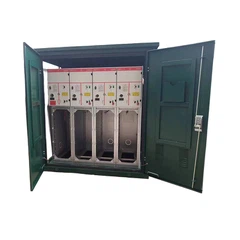
We also offer a range of products that are specifically designed for seismic regions. For example, our Kiosk Type Substation is a compact and modular solution that can be easily installed in areas with high seismic activity. It is designed to be lightweight and flexible, which helps to reduce the impact of seismic forces.
Our Compact Substation Unit is another option that is suitable for seismic regions. It is a prefabricated unit that can be quickly and easily installed, and it is designed to be resistant to earthquakes and other natural disasters.
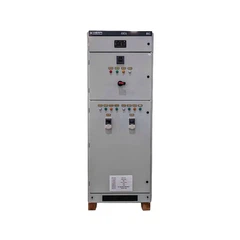
And for those looking for a low-voltage solution, our Low Voltage Substation is a reliable and cost-effective option. It is designed to provide a stable power supply even in the event of an earthquake.
Conclusion
Seismic resistance is a critical consideration for any Integrated Substation. By understanding the key requirements and taking the necessary steps to meet them, we can ensure that our substations are safe, reliable, and able to withstand the forces of nature.
If you're in the market for an Integrated Substation and want to learn more about our seismic-resistant products and solutions, we'd love to hear from you. Contact us to start a conversation about your specific needs and how we can help you find the right substation for your project.
References
- International Electrotechnical Commission (IEC) standards on seismic design of electrical equipment.
- American Society of Civil Engineers (ASCE) guidelines for seismic design of structures.
Send Inquiry