

What is the capacity of a Compact Transformer Substation?
Jul 02, 2026
Leave a message
Hey there! As a supplier of Compact Transformer Substations, I often get asked about the capacity of these nifty little power hubs. So, let's dive right in and explore what the capacity of a Compact Transformer Substation really means.
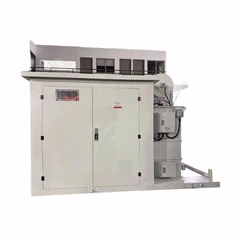
First off, what is a Compact Transformer Substation? Well, it's a self - contained unit that steps down high - voltage electricity from the power grid to a lower voltage that can be used by homes, businesses, and industries. These substations are designed to be compact, which means they take up less space compared to traditional substations. They're great for areas where space is limited, like urban areas or industrial parks.
Now, onto the capacity. The capacity of a Compact Transformer Substation is mainly measured in terms of its power handling ability, usually in kilovolt - amperes (kVA). The capacity can vary widely depending on the specific needs of the end - user.
For small - scale applications, like a small commercial building or a rural community, a Compact Transformer Substation with a capacity of around 100 kVA to 500 kVA might be sufficient. These smaller substations can handle the electrical load of a few dozen households or a small business with basic electrical equipment.
On the other hand, for larger industrial complexes or big commercial centers, the capacity requirements can be much higher. We're talking about substations with capacities ranging from 1000 kVA to 5000 kVA or even more. These high - capacity substations are designed to handle the heavy electrical loads of large factories, shopping malls, and high - rise buildings.
Let's take a closer look at some of the factors that influence the capacity of a Compact Transformer Substation.
Load Requirements
The most obvious factor is the electrical load that the substation needs to supply. If you're supplying power to a small office building with just a few computers, lights, and a coffee machine, the load will be relatively low. But if you're powering a manufacturing plant with heavy machinery, the load will be much higher. Understanding the load requirements is crucial in determining the right capacity for the substation.
Future Expansion
It's also important to consider future expansion. If a business is planning to grow in the future, it might be wise to install a substation with a higher capacity than currently needed. This way, you won't have to replace the substation when the business expands.
Type of Load
The type of load also matters. Some loads, like motors, can have high starting currents. These inrush currents can be several times higher than the normal operating current. So, when selecting a substation, you need to make sure it can handle these high - current spikes.
Now, let's talk about some of the specific types of Compact Transformer Substations we offer.
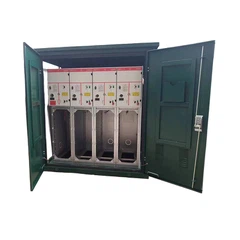
We have the 33 KV Compact Substation. This substation is designed for medium - voltage applications. It's capable of handling relatively high power loads and is often used in industrial areas or for power distribution in larger communities. The 33 kV rating means it can step down the 33,000 - volt high - voltage power from the grid to a lower voltage suitable for local use.
Another popular option is the 11 KV Compact Substation. This substation is more commonly used for smaller - scale applications. It's great for residential areas, small commercial buildings, and some light industrial facilities. The 11 kV rating is ideal for stepping down the voltage to a level that can be safely used by most end - users.
We also offer Containerized Electrical Substation. These are pre - fabricated substations that come in a container. They're easy to transport and install, making them a great option for temporary power needs or for projects in remote areas. The capacity of containerized substations can vary depending on the specific design and requirements.
So, how do you choose the right capacity for your Compact Transformer Substation? Well, it's a good idea to consult with an electrical engineer. They can perform a detailed load analysis to determine the exact capacity you need. They'll take into account factors like the type of load, the number of electrical devices, and any future expansion plans.
In addition to capacity, there are other factors to consider when choosing a Compact Transformer Substation. For example, the efficiency of the substation is important. A more efficient substation will waste less energy, which can save you money in the long run. The reliability of the substation is also crucial. You don't want your power going out frequently, especially if you're running a business.
We take pride in offering high - quality Compact Transformer Substations that are designed to meet a wide range of capacity requirements. Our substations are built with the latest technology and are rigorously tested to ensure they meet the highest standards of performance and reliability.


If you're in the market for a Compact Transformer Substation, whether it's a small - capacity one for a residential area or a high - capacity one for an industrial complex, we're here to help. We can work with you to determine the right capacity for your needs and provide you with a solution that fits your budget.
So, if you're interested in learning more about our Compact Transformer Substations or if you want to discuss your specific requirements, don't hesitate to reach out. We're always happy to have a chat and help you find the perfect substation for your project.
References
- Electrical Power Systems Engineering textbooks
- Industry standards and guidelines for transformer substations
Send Inquiry