

How to ensure the electromagnetic compatibility in an outdoor power distribution room?
Nov 03, 2026
Leave a message
How to Ensure the Electromagnetic Compatibility in an Outdoor Power Distribution Room
As a supplier of Outdoor Power Distribution Rooms, I understand the critical importance of electromagnetic compatibility (EMC) in these facilities. Electromagnetic compatibility refers to the ability of electrical and electronic equipment to function properly in their electromagnetic environment without causing interference to other equipment. In an outdoor power distribution room, ensuring EMC is essential for the reliable operation of electrical systems and the protection of sensitive equipment.
Understanding the Electromagnetic Environment in Outdoor Power Distribution Rooms
Outdoor power distribution rooms are exposed to a variety of electromagnetic sources, both natural and man - made. Natural sources include lightning, which can generate intense electromagnetic pulses (EMPs). Man - made sources include power lines, electrical equipment within the distribution room, and radio frequency (RF) emissions from nearby communication systems.
Lightning strikes can induce high - voltage surges in the electrical systems of the distribution room. These surges can damage electrical components, disrupt power supply, and even cause fires. Electrical equipment such as transformers, circuit breakers, and motors also generate electromagnetic fields during their operation. These fields can interfere with the normal operation of other equipment, especially sensitive electronic devices.
Design Considerations for EMC in Outdoor Power Distribution Rooms
Enclosure Design
The enclosure of the outdoor power distribution room plays a crucial role in ensuring EMC. A well - designed enclosure can act as a shield against external electromagnetic interference. It should be made of conductive materials, such as steel or aluminum, which can effectively block electromagnetic waves. The enclosure should also be properly grounded to provide a low - impedance path for the dissipation of electromagnetic energy.
The seams and joints of the enclosure should be carefully sealed to prevent the leakage of electromagnetic radiation. Gaskets made of conductive materials can be used to seal the gaps between the panels of the enclosure. Additionally, the enclosure should have proper ventilation to prevent overheating, but the ventilation openings should be designed in a way that does not compromise the electromagnetic shielding.
Cable Management
Proper cable management is essential for EMC in outdoor power distribution rooms. Cables should be routed in a way that minimizes electromagnetic coupling between different circuits. Power cables and signal cables should be separated to reduce the risk of interference. Shielded cables can be used for sensitive signal transmission to protect against external electromagnetic interference.
Cable trays and conduits can be used to organize and support the cables. They should be made of conductive materials and properly grounded to provide additional shielding. The length of the cables should be minimized to reduce the inductance and capacitance, which can affect the electromagnetic performance of the system.
Equipment Placement
The placement of electrical equipment within the outdoor power distribution room can also affect EMC. Sensitive equipment should be placed away from sources of electromagnetic interference, such as transformers and motors. Equipment should be arranged in a logical and organized manner to facilitate maintenance and reduce the risk of electromagnetic coupling between different components.
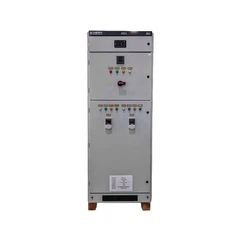
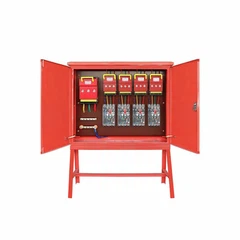
For example, the Distro Power Box should be installed in a location where it is not exposed to excessive electromagnetic fields. Similarly, the Low Voltage Distribution Cabinet and Terminal Distribution Box should be placed in a way that minimizes interference with other equipment.


EMC Testing and Certification
To ensure the electromagnetic compatibility of an outdoor power distribution room, it is necessary to conduct EMC testing. EMC testing involves measuring the electromagnetic emissions and susceptibility of the electrical equipment and the entire distribution room. There are various standards and regulations for EMC testing, such as the International Electrotechnical Commission (IEC) standards.
During the testing process, the distribution room is subjected to different electromagnetic environments to simulate real - world conditions. The emissions of the equipment are measured to ensure that they are within the allowable limits. The susceptibility of the equipment is also tested to determine its ability to withstand external electromagnetic interference.
Once the EMC testing is completed and the distribution room meets the required standards, it can be certified as electromagnetic - compatible. This certification provides assurance to the customers that the distribution room will operate reliably in its electromagnetic environment.
Maintenance and Monitoring for EMC
Maintaining the electromagnetic compatibility of an outdoor power distribution room is an ongoing process. Regular maintenance should be carried out to ensure that the enclosure, cables, and equipment are in good condition. The grounding system should be checked periodically to ensure that it provides a low - impedance path for the dissipation of electromagnetic energy.
Monitoring the electromagnetic environment of the distribution room is also important. This can be done using electromagnetic field sensors. These sensors can detect any abnormal electromagnetic emissions or interference and provide early warning of potential problems. By monitoring the electromagnetic environment, it is possible to take proactive measures to prevent electromagnetic interference and ensure the reliable operation of the electrical systems.
Conclusion
Ensuring the electromagnetic compatibility in an outdoor power distribution room is a complex but essential task. By considering the design, cable management, equipment placement, testing, and maintenance, it is possible to create a power distribution room that is electromagnetic - compatible. As a supplier of Outdoor Power Distribution Rooms, we are committed to providing high - quality products that meet the highest standards of EMC.
If you are interested in purchasing an outdoor power distribution room or have any questions about electromagnetic compatibility, please feel free to contact us for further discussion and procurement negotiation. We look forward to working with you to meet your power distribution needs.
References
- International Electrotechnical Commission (IEC). Electromagnetic compatibility standards.
- IEEE Standards Association. Standards for electromagnetic compatibility in electrical systems.
- Manufacturer's documentation for power distribution equipment.
Send Inquiry