

How to reduce the noise in an outdoor power distribution room?
Nov 04, 2026
Leave a message
As a supplier of Outdoor Power Distribution Rooms, I've seen firsthand the challenges that come with managing noise in these facilities. Noise from outdoor power distribution rooms can be a real headache, not just for the people working nearby but also for the surrounding community. In this blog, I'll share some practical tips on how to reduce the noise in an outdoor power distribution room.
Understanding the Sources of Noise
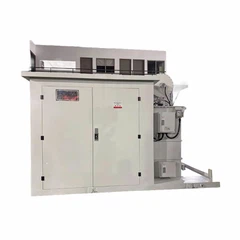
Before we can tackle the noise problem, it's important to understand where it's coming from. The main sources of noise in an outdoor power distribution room typically include the transformers, circuit breakers, and fans. Transformers can generate a humming sound due to the magnetic fields they produce, while circuit breakers can make clicking or buzzing noises when they operate. Fans, on the other hand, can create a constant whirring sound as they circulate air to keep the equipment cool.
Choosing the Right Equipment
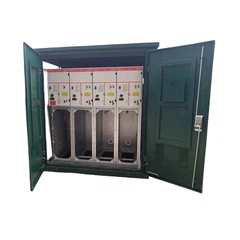
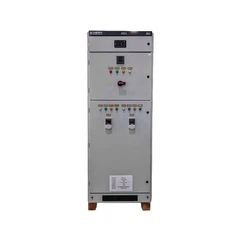
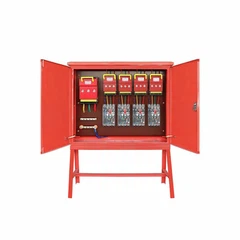
One of the first steps in reducing noise is to choose the right equipment. When selecting transformers, look for models that are designed to operate quietly. Some transformers are specifically engineered to minimize noise levels, and they can make a big difference in the overall noise output of the power distribution room. Similarly, choose circuit breakers and fans that are known for their quiet operation. You can find more information about the different types of equipment available at Distro Power Box and Industrial Power Distribution Box.
Soundproofing the Room
Another effective way to reduce noise is to soundproof the outdoor power distribution room. This can be done by using sound-absorbing materials on the walls, ceiling, and floor of the room. There are many different types of soundproofing materials available, such as acoustic panels, insulation, and sound blankets. These materials work by absorbing the sound waves and preventing them from bouncing around the room and escaping.
When installing soundproofing materials, make sure to cover all the surfaces of the room, including any gaps or openings. Pay special attention to areas around doors and windows, as these are common areas where sound can leak out. You can also use weatherstripping to seal any gaps around the doors and windows to further reduce noise.
Isolating the Equipment
In addition to soundproofing the room, it's also important to isolate the equipment from the floor and walls. This can be done by using vibration isolators, which are designed to absorb the vibrations and reduce the noise transmission. Vibration isolators can be placed under the transformers, circuit breakers, and other equipment to prevent the vibrations from being transferred to the floor and walls.


Maintaining the Equipment
Regular maintenance of the equipment is also crucial for reducing noise. Make sure to keep the transformers, circuit breakers, and fans clean and in good working condition. Dirty or malfunctioning equipment can produce more noise than properly maintained equipment. Check the equipment regularly for any signs of wear and tear, and replace any parts that are damaged or worn out.
Using Noise Barriers
If the noise from the outdoor power distribution room is still a problem, you can consider using noise barriers. Noise barriers are structures that are designed to block or absorb the sound waves and reduce the noise level. They can be made of a variety of materials, such as concrete, wood, or metal.
When installing noise barriers, make sure to place them in the right location. They should be placed between the power distribution room and the area where the noise is a problem. The height and length of the noise barrier will depend on the specific situation and the amount of noise that needs to be reduced.
Monitoring the Noise Levels
Finally, it's important to monitor the noise levels in the outdoor power distribution room on a regular basis. This can be done using a sound level meter, which is a device that measures the sound pressure level in decibels (dB). By monitoring the noise levels, you can determine if the noise reduction measures are working and if any additional steps need to be taken.
If you're interested in learning more about reducing noise in outdoor power distribution rooms or if you're looking for a high-quality Outdoor Power Distribution Room, feel free to contact us. We're here to help you find the best solutions for your specific needs.
References
- Some general knowledge about power distribution equipment and noise reduction techniques from industry manuals and technical guides.
Send Inquiry