

How to install the monitoring system for high voltage switchgear?
Nov 02, 2026
Leave a message
As a high voltage switchgear supplier, I often get asked about how to install a monitoring system for high voltage switchgear. It's a crucial process that can significantly enhance the safety, reliability, and efficiency of your electrical infrastructure. In this blog, I'll walk you through the steps of installing a monitoring system for high voltage switchgear.
Step 1: Understand Your Switchgear
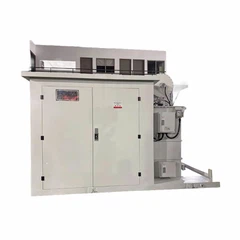
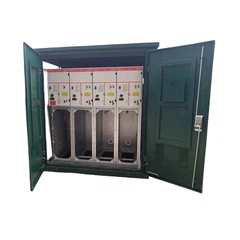
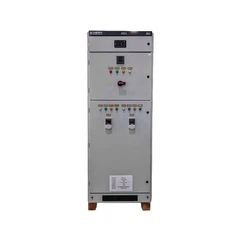
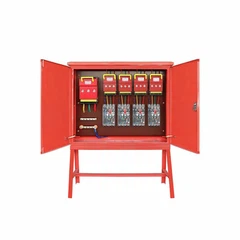
Before you start installing a monitoring system, you need to have a good understanding of your high voltage switchgear. There are different types of high voltage switchgear available in the market, such as AC Metal-enclosed Switchgear, Triangular Ring Main Unit, and Metal Enclosed Interrupter Switchgear. Each type has its own unique features and requirements, so it's important to know which one you have.


You should also familiarize yourself with the specifications of your switchgear, including its voltage rating, current capacity, and operating temperature range. This information will help you choose the right monitoring system for your switchgear.
Step 2: Choose the Right Monitoring System
Once you understand your switchgear, it's time to choose the right monitoring system. There are several factors to consider when selecting a monitoring system, such as the type of switchgear, the level of monitoring required, and your budget.
Some of the common types of monitoring systems for high voltage switchgear include temperature monitoring systems, partial discharge monitoring systems, and current monitoring systems. Temperature monitoring systems can help you detect overheating in the switchgear, which can be a sign of a potential problem. Partial discharge monitoring systems can detect electrical discharges within the switchgear, which can indicate insulation degradation. Current monitoring systems can help you monitor the current flowing through the switchgear, which can help you detect any abnormal current levels.
When choosing a monitoring system, make sure it is compatible with your switchgear and meets your specific monitoring requirements. You should also consider the reliability and accuracy of the monitoring system, as well as its ease of use and maintenance.
Step 3: Plan the Installation
Before you start installing the monitoring system, you need to plan the installation process. This includes determining the location of the monitoring sensors, the wiring requirements, and the power supply requirements.
The location of the monitoring sensors is crucial, as it can affect the accuracy of the monitoring system. You should place the sensors in areas where they can accurately measure the parameters you want to monitor, such as the temperature, current, or partial discharge. You should also make sure the sensors are installed in a safe and accessible location, where they can be easily maintained and replaced if necessary.
The wiring requirements for the monitoring system will depend on the type of monitoring system you choose. Some monitoring systems require a direct connection to the switchgear, while others can be wirelessly connected. You should follow the manufacturer's instructions when wiring the monitoring system to ensure it is installed correctly.
The power supply requirements for the monitoring system will also depend on the type of monitoring system you choose. Some monitoring systems require a direct power connection, while others can be powered by batteries. You should make sure the power supply is reliable and can provide enough power to operate the monitoring system.
Step 4: Install the Monitoring System
Once you have planned the installation process, it's time to install the monitoring system. This involves installing the monitoring sensors, wiring the system, and connecting it to the power supply.
When installing the monitoring sensors, make sure they are installed in the correct location and are securely attached to the switchgear. You should also make sure the sensors are properly calibrated to ensure accurate measurements.
When wiring the monitoring system, make sure you follow the manufacturer's instructions and use the correct wiring materials. You should also make sure the wiring is properly grounded to prevent electrical interference.
When connecting the monitoring system to the power supply, make sure you use a reliable power source and follow the manufacturer's instructions. You should also make sure the power supply is properly protected to prevent damage to the monitoring system.
Step 5: Test the Monitoring System
Once you have installed the monitoring system, it's important to test it to make sure it is working properly. This involves checking the accuracy of the measurements, the functionality of the monitoring system, and the communication between the monitoring system and the control center.
To test the accuracy of the measurements, you can use a calibration device to compare the readings from the monitoring system with the actual values. You should also check the functionality of the monitoring system by performing a series of tests, such as a temperature test, a current test, and a partial discharge test.
To test the communication between the monitoring system and the control center, you can use a communication protocol analyzer to check the data transfer between the two systems. You should also make sure the communication is secure and reliable.
Step 6: Maintain the Monitoring System
Once the monitoring system is installed and tested, it's important to maintain it to ensure it continues to work properly. This involves regular inspections, cleaning, and calibration of the monitoring sensors, as well as software updates and maintenance of the monitoring system.
Regular inspections can help you detect any potential problems with the monitoring system before they become serious. You should inspect the monitoring sensors, the wiring, and the power supply on a regular basis to make sure they are in good condition.
Cleaning the monitoring sensors can help you maintain their accuracy and reliability. You should clean the sensors regularly to remove any dirt, dust, or debris that may affect their performance.
Calibration of the monitoring sensors is also important to ensure accurate measurements. You should calibrate the sensors on a regular basis to make sure they are providing accurate readings.
Software updates and maintenance of the monitoring system are also important to ensure its functionality and security. You should keep the software up to date to ensure it is compatible with the latest operating systems and security protocols.
Conclusion
Installing a monitoring system for high voltage switchgear is a crucial process that can significantly enhance the safety, reliability, and efficiency of your electrical infrastructure. By following the steps outlined in this blog, you can ensure that your monitoring system is installed correctly and is working properly.
If you're interested in purchasing high voltage switchgear or a monitoring system for your switchgear, please feel free to contact us. We're a leading supplier of high voltage switchgear and can provide you with the products and services you need to meet your electrical infrastructure requirements.
References
- Manufacturer's manuals and documentation for high voltage switchgear and monitoring systems
- Industry standards and guidelines for the installation and maintenance of high voltage switchgear and monitoring systems
- Technical articles and research papers on high voltage switchgear and monitoring systems
Send Inquiry