

How to ensure reliable connections in low - voltage AC switchgear?
May 19, 2026
Leave a message
Hey there! As a supplier of low - voltage AC switchgear, I've seen firsthand how crucial it is to ensure reliable connections in these systems. In this blog, I'll share some practical tips and insights on how to achieve just that.
Understanding the Basics of Low - Voltage AC Switchgear
Before we dive into the details of ensuring reliable connections, let's quickly go over what low - voltage AC switchgear is. It's a set of electrical devices used to control, protect, and isolate electrical equipment in low - voltage power systems. These systems typically operate at voltages below 1000V and are commonly found in commercial, industrial, and residential settings.
The Importance of Reliable Connections
Reliable connections in low - voltage AC switchgear are essential for several reasons. First off, they ensure the safe and efficient operation of electrical systems. A poor connection can lead to overheating, arcing, and even electrical fires. Secondly, reliable connections help maintain the power quality of the system. Voltage drops and power losses can occur due to loose or corroded connections, which can affect the performance of connected equipment.
Factors Affecting Connection Reliability
There are several factors that can impact the reliability of connections in low - voltage AC switchgear.
Material Selection
The materials used for conductors and connectors play a significant role. Copper is a popular choice for conductors due to its high conductivity and corrosion resistance. Connectors should also be made of high - quality materials that can withstand the electrical and mechanical stresses of the system.
Installation Quality
Proper installation is key. Incorrect installation, such as improper torque on bolts or incorrect alignment of connectors, can lead to poor connections. It's important to follow the manufacturer's installation guidelines and use the right tools.
Environmental Conditions
The environment in which the switchgear is installed can also affect connection reliability. High humidity, dust, and corrosive substances can cause corrosion and degradation of connections over time.
Tips for Ensuring Reliable Connections
Regular Inspections
Regular inspections are crucial for identifying and addressing potential connection issues. Check for signs of overheating, such as discoloration or melting of insulation. Look for loose or corroded connections and tighten or replace them as needed.
Proper Torque
Using the correct torque when tightening bolts and connectors is essential. Over - tightening can damage the components, while under - tightening can lead to loose connections. Refer to the manufacturer's specifications for the recommended torque values.
Corrosion Prevention
To prevent corrosion, use anti - corrosion coatings on conductors and connectors. In high - humidity or corrosive environments, consider using sealed enclosures to protect the switchgear.
Use of Quality Components
Invest in high - quality components for your switchgear. This includes conductors, connectors, and insulation materials. Quality components are more likely to provide reliable connections and have a longer lifespan.
Specific Products and Their Role in Ensuring Reliability
As a supplier, we offer a range of products that can help ensure reliable connections in low - voltage AC switchgear.
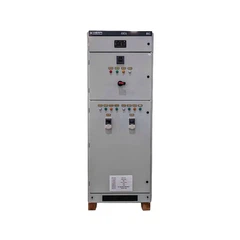
Power Factor Correction Panel
A Power Factor Correction Panel helps improve the power factor of the electrical system. By reducing reactive power, it can improve the efficiency of the system and reduce energy costs. A well - functioning power factor correction panel also helps maintain stable voltage levels, which is important for reliable connections.
Power Factor Improvement Panel
Similar to the power factor correction panel, the Power Factor Improvement Panel is designed to optimize the power factor. It can help reduce power losses and improve the overall performance of the electrical system, contributing to more reliable connections.


Mns Low Voltage Switchgear
The Mns Low Voltage Switchgear is a modular and flexible solution for low - voltage power distribution. It is designed with high - quality components and advanced connection technologies to ensure reliable and safe operation.
Maintenance and Monitoring
In addition to regular inspections, continuous monitoring of the switchgear can help detect potential issues early. Use monitoring systems to track parameters such as temperature, voltage, and current. This can help identify trends and potential problems before they cause significant damage.
Training and Education
Proper training for installation and maintenance personnel is essential. Ensure that your team is well - trained in the installation, operation, and maintenance of low - voltage AC switchgear. This can help prevent installation errors and ensure that the switchgear is properly maintained.
Conclusion
Ensuring reliable connections in low - voltage AC switchgear is a multi - faceted process that involves proper material selection, installation, maintenance, and monitoring. By following the tips and using the right products, you can significantly improve the reliability of your electrical systems.
If you're in the market for low - voltage AC switchgear or need advice on ensuring reliable connections, don't hesitate to reach out. We're here to help you make the best choices for your electrical needs.
References
- Electrical Installation Handbook, Schneider Electric
- Low - Voltage Switchgear Design and Application Guide, Siemens
Send Inquiry