

How does the price of low - voltage AC switchgear vary?
May 21, 2026
Leave a message
As a supplier of Low-voltage AC Switchgear, I've witnessed firsthand the complex and dynamic nature of its pricing. In this blog, I'll delve into the factors that cause the price of low-voltage AC switchgear to vary, providing insights for those in the electrical industry and potential buyers.
1. Raw Material Costs
The price of raw materials is one of the most significant factors influencing the cost of low-voltage AC switchgear. Copper, for example, is a crucial component in electrical conductors within the switchgear. Fluctuations in the global copper market can have a direct impact on the price of the final product. When copper prices rise, the cost of manufacturing switchgear increases, and these additional costs are often passed on to the customer.
Aluminum is another material commonly used in switchgear construction. While it is generally less expensive than copper, its price can also be volatile. The quality and grade of these metals also matter. Higher - grade materials, which offer better conductivity and durability, will naturally lead to a higher - priced switchgear.
In addition to metals, insulating materials such as plastics and ceramics are essential for the safety and performance of switchgear. The cost of these materials can vary depending on their source, quality, and availability. For instance, high - performance insulating plastics may be more expensive due to their superior electrical properties and resistance to heat and chemicals.
2. Manufacturing Complexity
The complexity of the manufacturing process plays a vital role in determining the price of low - voltage AC switchgear. Simple switchgear designs with basic functionality are generally less expensive to produce. These may include standard configurations that are mass - produced and have fewer components.
On the other hand, custom - designed switchgear that meets specific customer requirements can be significantly more costly. Customization may involve unique electrical specifications, special enclosures, or additional safety features. The engineering and labor required to design and manufacture these custom units are more extensive, leading to higher prices.
The manufacturing location also affects the cost. Switchgear produced in regions with higher labor costs and stricter environmental regulations may be more expensive. For example, manufacturing in Western countries often incurs higher labor and compliance costs compared to some Asian countries.
3. Brand and Reputation
Well - known brands in the low - voltage AC switchgear market typically command higher prices. These brands have established a reputation for quality, reliability, and innovation over the years. Customers are often willing to pay a premium for products from trusted brands because they offer peace of mind in terms of performance and after - sales support.
A brand with a long - standing history of producing high - quality switchgear is more likely to invest in research and development, ensuring that their products are up - to - date with the latest technological advancements. This commitment to quality and innovation is reflected in the price of their products.
However, there are also many emerging brands that offer competitive products at lower prices. These brands may not have the same level of brand recognition but can provide good value for money, especially for customers on a budget.
4. Technological Features
The technological features incorporated into low - voltage AC switchgear can have a significant impact on its price. Switchgear with advanced monitoring and control capabilities, such as remote monitoring and intelligent protection systems, is generally more expensive. These features allow for real - time monitoring of electrical parameters, fault detection, and automatic shutdown in case of emergencies.


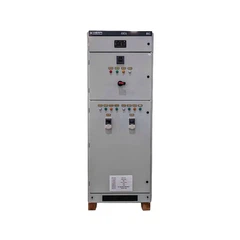
Energy - efficient switchgear is also becoming increasingly popular. Switchgear with high power factor correction capabilities, like the Power Factor Improvement Panel, can help reduce energy consumption and lower electricity bills. The cost of developing and implementing these energy - saving technologies is reflected in the price of the switchgear.
Moreover, switchgear with enhanced safety features, such as arc - flash protection, is more expensive. These features are designed to protect personnel and equipment from the dangerous effects of arc - flash incidents, which can cause serious injuries and damage.
5. Market Demand and Supply
The basic economic principle of supply and demand also affects the price of low - voltage AC switchgear. When the demand for switchgear is high, and the supply is limited, prices tend to rise. This can occur during periods of rapid industrial growth or large - scale infrastructure projects.
Conversely, when the market is saturated with switchgear products, competition among suppliers increases, and prices may decline. Suppliers may offer discounts or promotions to attract customers and gain a larger market share.
Seasonal factors can also influence demand. For example, the construction industry often experiences a peak in demand for electrical equipment during the spring and summer months, which can drive up the price of switchgear during this period.
6. Certification and Standards
Switchgear must meet various national and international standards and certifications to ensure its safety and performance. Obtaining these certifications can be a costly process for manufacturers. The cost of testing, compliance, and maintaining these certifications is added to the price of the switchgear.
For example, switchgear that meets the IEC (International Electrotechnical Commission) standards is more likely to be accepted in the global market. However, the process of ensuring compliance with these standards requires significant investment in research, development, and testing.
Some regions may have specific local standards that switchgear must meet. This can further increase the cost of production, especially for manufacturers who need to adapt their products to different market requirements.
7. After - Sales Service
The quality of after - sales service can also affect the price of low - voltage AC switchgear. Suppliers that offer comprehensive after - sales support, such as installation, maintenance, and repair services, may charge a higher price for their products.
A reliable after - sales service ensures that the switchgear operates smoothly throughout its lifespan. It provides customers with the confidence that any issues will be promptly addressed. For example, a supplier that offers 24/7 technical support and on - site maintenance services is likely to have a higher - priced product compared to a supplier that only offers basic warranty coverage.
Conclusion
In conclusion, the price of low - voltage AC switchgear is influenced by a multitude of factors, including raw material costs, manufacturing complexity, brand reputation, technological features, market demand and supply, certification, and after - sales service. As a supplier, I understand the importance of providing high - quality products at competitive prices.
If you are in the market for Low-voltage AC Switchgear or Electrical Lv Panel, I encourage you to contact us for a detailed discussion about your specific requirements. We can provide you with customized solutions that meet your needs and budget. Whether you are looking for a standard switchgear or a highly customized unit, we have the expertise and resources to deliver the right product for you.
References
- Electrical Equipment Pricing: A Comprehensive Guide. Publisher: Electrical Industry Press, 2020.
- Market Trends in Low - Voltage Switchgear. Research Report by Global Market Insights, 2021.
- Standards and Regulations for Electrical Switchgear. International Electrotechnical Commission, 2019.
Send Inquiry