

How to Maintain Low-Voltage Switchgear to Extend its Lifespan
Mar 07, 2026
Leave a message
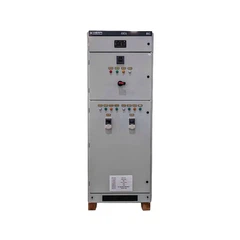
The key to extending the lifespan of low-voltage switchgear lies in systematic maintenance. Regular cleaning, tightening connections, insulation testing, and functional verification can effectively prevent faults and improve operational stability. With proper maintenance, the equipment's lifespan can stably reach 15 to 20 years or even longer.
Daily Inspection (Recommended daily or weekly)
Environmental and Visual Inspection
Ensure good ventilation in the distribution room, with a temperature ≤40℃ and humidity ≤90% without condensation.
Inspect the cabinet for deformation, rust, and coating peeling. Ensure the door panels are tightly sealed to prevent dust, moisture, or small animals from entering.
Listen for any abnormal sounds (such as discharge sounds or vibrations). Observe whether the instruments and indicator lights are functioning normally.
Cleaning and Dust Removal
Use a dry, soft cloth or vacuum cleaner to remove dust from the inside and outside of the cabinet, paying particular attention to cleaning the ventilation holes, busbars, and insulator surfaces.
Avoid using wet cloths or corrosive cleaning agents to prevent short circuits or material damage.
Signage and Emergency Tool Check
Check that warning signs, maintenance signs, and operating button labels are clear and correctly positioned.
Confirm that emergency lights, crank handles, fuse handles, etc., are complete and usable.
Regular Maintenance (Recommended every 3-6 months)
Electrical Connection Tightening
Check that the bolts connecting busbars, cable joints, terminal blocks, etc., are loose. Tighten them to the standard torque using a torque wrench.
Observe the contact points for overheating or discoloration (silver-white is normal; blackening or discoloration requires treatment).
Insulation Performance Testing
After power is off, use a megohmmeter to measure the phase-to-phase and phase-to-ground insulation resistance. It should be ≥1MΩ.
Check the insulation material for cracks, aging, or discharge marks.
Functional Component Inspection
Breaker: Manually open and close the circuit 3 times to check its mechanical performance for flexibility and the integrity of the arc extinguishing chamber.
Contactor/Relay: Check the contacts for oxidation or ablation; the coil temperature should not exceed 65℃.
Capacitor cabinet: After disconnecting the main switch, discharge each capacitor one by one, checking for bulging, leakage, and reliable grounding.
Fan and cooling system
Check if the cabinet fan is operating normally and if the vents are blocked. Clean or replace the filter if necessary.
Send Inquiry