

What is the electromagnetic compatibility of low voltage switchgear?
May 27, 2026
Leave a message
Hey there! As a supplier of low voltage switchgear, I often get asked about electromagnetic compatibility (EMC) in the context of our products. So, let's dive right into what electromagnetic compatibility of low voltage switchgear is all about.
What is Electromagnetic Compatibility?
Electromagnetic compatibility refers to the ability of an electrical or electronic device to function properly in its electromagnetic environment without causing interference to other devices. In simpler terms, it's like making sure that all the electrical gadgets in a room can work together without stepping on each other's toes.
For low voltage switchgear, EMC is crucial. These switchgears are used in a wide range of applications, from industrial plants to commercial buildings. They control and protect electrical circuits, and any electromagnetic interference can disrupt their normal operation, leading to malfunctions, equipment damage, or even safety hazards.
Why is EMC Important for Low Voltage Switchgear?
First off, in today's world, there are so many electrical and electronic devices around. All these devices generate electromagnetic fields, and if the low voltage switchgear isn't designed with EMC in mind, it can be affected by these fields. For example, in an industrial setting, there might be motors, generators, and other high - power equipment. The electromagnetic fields generated by these can interfere with the switchgear, causing it to trip unexpectedly or give false readings.
Secondly, regulatory requirements play a big role. There are international and national standards that low voltage switchgear must meet in terms of EMC. These standards ensure that the switchgear is safe and reliable to use. If a switchgear doesn't meet these EMC standards, it can't be sold in many markets, which is a big problem for us as suppliers.


How is EMC Achieved in Low Voltage Switchgear?
There are several ways to achieve electromagnetic compatibility in low voltage switchgear.
Shielding
One of the most common methods is shielding. This involves enclosing the switchgear components in a conductive material, like metal. The shield acts as a barrier, preventing electromagnetic fields from entering or leaving the switchgear. For example, the cabinets of our low voltage switchgear are often made of metal, which helps to block external electromagnetic interference.
Filtering
Filtering is another important technique. Filters are used to remove unwanted electromagnetic frequencies from the electrical signals. For instance, we might use low - pass filters to allow only the desired frequencies to pass through, while blocking higher frequencies that could cause interference.
Grounding
Proper grounding is essential for EMC. By connecting the switchgear to a good ground, we can provide a path for the electromagnetic energy to flow safely to the earth. This helps to reduce the build - up of static electricity and minimize the risk of electromagnetic interference.
The Impact of EMC on Different Types of Low Voltage Switchgear
Let's take a look at how EMC affects different types of low voltage switchgear.
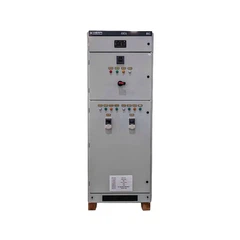
Power Factor Correction Panel
A Power Factor Correction Panel is used to improve the power factor of an electrical system. It helps to reduce energy consumption and improve the efficiency of the system. However, if the panel isn't designed with EMC in mind, it can be affected by electromagnetic interference. This can lead to inaccurate power factor measurements and reduced performance.
Power Factor Improvement Panel
Similar to the power factor correction panel, a Power Factor Improvement Panel also aims to improve the power factor. EMC is crucial for this panel as well. Any interference can disrupt the control circuits and cause the panel to malfunction, resulting in a decrease in power factor improvement.
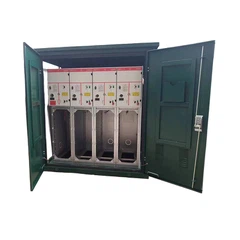
Lv And Hv Switchgear
Lv And Hv Switchgear are used to control and protect electrical circuits at different voltage levels. In a complex electrical system, these switchgears are exposed to various electromagnetic fields. Ensuring EMC in these switchgears is vital to prevent false tripping, equipment damage, and power outages.
Testing for EMC in Low Voltage Switchgear
To ensure that our low voltage switchgear meets the required EMC standards, we conduct a series of tests. These tests include radiated emission tests, which measure the electromagnetic radiation emitted by the switchgear, and conducted emission tests, which measure the electrical interference conducted through the power and signal lines.
We also perform immunity tests, where the switchgear is exposed to various electromagnetic fields to see how it responds. If the switchgear passes these tests, it means that it can operate properly in its electromagnetic environment without causing or being affected by interference.
Our Commitment as a Supplier
As a low voltage switchgear supplier, we take EMC very seriously. We invest a lot of time and resources in research and development to ensure that our products meet the highest EMC standards. Our engineering team is constantly working on improving the design of our switchgear to enhance its electromagnetic compatibility.
We also provide our customers with detailed information about the EMC performance of our products. This helps them to make informed decisions when choosing the right switchgear for their applications.
Conclusion
In conclusion, electromagnetic compatibility is a critical aspect of low voltage switchgear. It ensures the reliable and safe operation of the switchgear in various electromagnetic environments. Whether it's a power factor correction panel, a power factor improvement panel, or Lv And Hv Switchgear, EMC plays a vital role in their performance.
If you're in the market for low voltage switchgear and want to learn more about our products' EMC performance, don't hesitate to reach out. We're here to help you find the best solution for your electrical needs. Let's start a conversation and see how we can work together to meet your requirements.
References
- International Electrotechnical Commission (IEC) standards on electromagnetic compatibility.
- National Electrical Manufacturers Association (NEMA) guidelines for low voltage switchgear.
Send Inquiry