

How does the harmonic suppression work in Mns Low Voltage Switchgear?
May 29, 2026
Leave a message
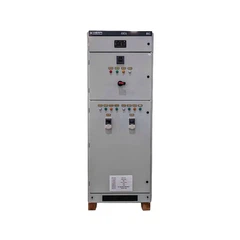
Harmonic suppression in Mns Low Voltage Switchgear is a critical aspect of ensuring the reliable and efficient operation of electrical systems. As a supplier of Mns Low Voltage Switchgear, I have witnessed firsthand the importance of effective harmonic management in maintaining the quality of power distribution.
Understanding Harmonics in Low Voltage Switchgear
Harmonics are unwanted electrical frequencies that can distort the normal sinusoidal waveform of an electrical signal. In low voltage switchgear systems, these harmonics are typically generated by non-linear loads such as variable frequency drives, electronic ballasts, and power supplies. When these non-linear loads draw current, they introduce harmonic currents into the electrical system, which can cause a range of problems, including overheating of equipment, increased power losses, and interference with other electrical devices.
The presence of harmonics in a low voltage switchgear system can have a significant impact on its performance and reliability. For example, harmonic currents can cause overheating in transformers, switchgear, and conductors, leading to premature failure and increased maintenance costs. In addition, harmonics can also cause interference with communication systems, control circuits, and other sensitive equipment, resulting in malfunctions and downtime.
How Harmonic Suppression Works in Mns Low Voltage Switchgear
To address the issues caused by harmonics, Mns Low Voltage Switchgear incorporates various harmonic suppression techniques. These techniques are designed to reduce the level of harmonic currents in the electrical system and improve the power quality.
Passive Filtering
One of the most common methods of harmonic suppression in Mns Low Voltage Switchgear is passive filtering. Passive filters are electrical circuits that are designed to absorb and redirect harmonic currents away from the electrical system. These filters typically consist of inductors, capacitors, and resistors, which are connected in parallel or series with the load.
Passive filters work by creating a low-impedance path for harmonic currents, allowing them to flow through the filter rather than through the electrical system. This reduces the level of harmonic currents in the system and improves the power quality. Passive filters are relatively simple and cost-effective, making them a popular choice for harmonic suppression in low voltage switchgear systems.


Active Filtering
Another method of harmonic suppression in Mns Low Voltage Switchgear is active filtering. Active filters are electronic devices that are designed to actively cancel out harmonic currents in the electrical system. These filters use advanced control algorithms to detect and analyze the harmonic content of the electrical signal and generate a compensating current that is equal in magnitude but opposite in phase to the harmonic current.
Active filters are more complex and expensive than passive filters, but they offer several advantages. They can provide better harmonic suppression performance, especially for high-frequency harmonics, and can also adapt to changes in the load and harmonic content of the electrical system. Active filters are often used in applications where high power quality is required, such as data centers, hospitals, and industrial plants.
Power Factor Correction
In addition to harmonic suppression, Mns Low Voltage Switchgear also incorporates power factor correction techniques. Power factor is a measure of how effectively electrical power is being used in a system. A low power factor indicates that a significant amount of electrical power is being wasted, which can lead to increased energy costs and reduced efficiency.
Power factor correction is the process of improving the power factor of an electrical system by reducing the reactive power. This is typically achieved by installing Power Factor Improvement Panel that contains capacitors. These capacitors are connected in parallel with the load and provide reactive power to the system, reducing the amount of reactive power drawn from the utility grid.
By improving the power factor, Mns Low Voltage Switchgear can reduce energy costs, improve the efficiency of the electrical system, and reduce the stress on electrical equipment. Power factor correction is an important aspect of harmonic suppression, as it helps to reduce the level of harmonic currents in the system and improve the power quality.
Benefits of Harmonic Suppression in Mns Low Voltage Switchgear
The benefits of harmonic suppression in Mns Low Voltage Switchgear are numerous. By reducing the level of harmonic currents in the electrical system, harmonic suppression can improve the power quality, reduce energy costs, and increase the reliability and lifespan of electrical equipment.
Improved Power Quality
Harmonic suppression helps to improve the power quality by reducing the distortion of the electrical waveform. This results in a cleaner and more stable electrical supply, which is essential for the proper operation of sensitive equipment such as computers, servers, and medical devices.
Reduced Energy Costs
Harmonic currents can cause increased power losses in the electrical system, which can lead to higher energy costs. By reducing the level of harmonic currents, harmonic suppression can help to reduce these power losses and lower energy costs.
Increased Reliability and Lifespan of Electrical Equipment
Harmonic currents can cause overheating and premature failure of electrical equipment. By reducing the level of harmonic currents, harmonic suppression can help to extend the lifespan of electrical equipment and reduce the need for maintenance and replacement.
Conclusion
Harmonic suppression is a critical aspect of ensuring the reliable and efficient operation of Mns Low Voltage Switchgear. By incorporating passive and active filtering techniques, as well as power factor correction, Mns Low Voltage Switchgear can effectively reduce the level of harmonic currents in the electrical system and improve the power quality.
If you are in the market for Low-voltage AC Switchgear or are looking to improve the power quality of your electrical system, I encourage you to contact us to discuss your specific needs. Our team of experts can provide you with the latest information and solutions for harmonic suppression in Mns Low Voltage Switchgear.
References
- IEEE Standard 519-2014, IEEE Recommended Practices and Requirements for Harmonic Control in Electrical Power Systems.
- Schneider Electric, "Harmonic Mitigation in Low Voltage Switchgear," White Paper.
- ABB, "Power Quality Solutions for Low Voltage Switchgear," Technical Document.
Send Inquiry