

How does a Power Factor Controller Panel ensure stable operation?
Oct 12, 2026
Leave a message
As a supplier of Power Factor Controller Panels, I've witnessed firsthand the critical role these devices play in ensuring the stable operation of electrical systems. In this blog, I'll delve into how a Power Factor Controller Panel achieves this stability and why it's an essential component for various industries.


Understanding Power Factor
Before we explore how a Power Factor Controller Panel ensures stable operation, it's crucial to understand what power factor is. Power factor is the ratio of real power (the power that does useful work) to apparent power (the total power supplied to a circuit). A power factor of 1 (or 100%) indicates that all the power supplied is being used effectively, while a lower power factor means that some of the power is being wasted.
Low power factor can lead to several issues, including increased energy consumption, higher electricity bills, and reduced efficiency of electrical equipment. It can also cause voltage drops, overheating of equipment, and premature equipment failure.
How a Power Factor Controller Panel Works
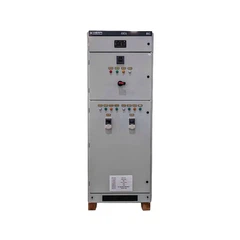
A Power Factor Controller Panel is designed to monitor and control the power factor of an electrical system. It continuously measures the power factor and takes corrective actions to improve it. Here's a step-by-step breakdown of how it works:
- Monitoring: The Power Factor Controller Panel is connected to the electrical system and continuously monitors the power factor. It measures the real power, apparent power, and reactive power in the system.
- Analysis: Based on the measured values, the controller analyzes the power factor and determines whether it needs to be improved. If the power factor is below a certain threshold, the controller takes action to correct it.
- Correction: The Power Factor Controller Panel uses capacitors to correct the power factor. Capacitors are connected in parallel with the electrical load and supply reactive power to the system. By supplying reactive power, the capacitors reduce the amount of reactive power drawn from the grid, thereby improving the power factor.
- Control: The controller continuously monitors the power factor and adjusts the capacitor banks as needed to maintain a stable power factor. It can also communicate with other devices in the electrical system, such as circuit breakers and relays, to ensure safe and efficient operation.
Ensuring Stable Operation
Now that we understand how a Power Factor Controller Panel works, let's explore how it ensures stable operation of an electrical system.
1. Reducing Energy Losses
One of the primary benefits of a Power Factor Controller Panel is that it reduces energy losses in the electrical system. By improving the power factor, the controller reduces the amount of reactive power drawn from the grid, which in turn reduces the amount of energy wasted in the form of heat. This not only saves energy but also reduces electricity bills.
2. Improving Voltage Stability
A low power factor can cause voltage drops in the electrical system, which can lead to unstable operation of electrical equipment. A Power Factor Controller Panel helps to improve voltage stability by reducing the reactive power in the system. By supplying reactive power through the capacitor banks, the controller helps to maintain a stable voltage level, ensuring that electrical equipment operates smoothly.
3. Protecting Electrical Equipment
A Power Factor Controller Panel also helps to protect electrical equipment from damage. By improving the power factor, the controller reduces the amount of current flowing through the electrical system, which in turn reduces the stress on electrical equipment. This helps to extend the lifespan of electrical equipment and reduce the risk of equipment failure.
4. Complying with Regulations
Many countries and regions have regulations regarding power factor correction. A Power Factor Controller Panel helps businesses to comply with these regulations by ensuring that the power factor of their electrical systems meets the required standards. This not only helps businesses to avoid penalties but also demonstrates their commitment to energy efficiency and environmental sustainability.
Applications of Power Factor Controller Panels
Power Factor Controller Panels are used in a wide range of industries, including manufacturing, commercial, and residential. Here are some common applications:
1. Manufacturing
In manufacturing plants, Power Factor Controller Panels are used to improve the efficiency of electrical equipment and reduce energy costs. They are particularly useful in industries that use large motors, such as the automotive, textile, and food processing industries.
2. Commercial Buildings
In commercial buildings, Power Factor Controller Panels are used to reduce energy consumption and improve the efficiency of lighting and HVAC systems. They are also used to comply with energy efficiency regulations and reduce electricity bills.
3. Residential Buildings
In residential buildings, Power Factor Controller Panels are used to improve the efficiency of electrical appliances and reduce energy consumption. They are particularly useful in homes that use a lot of electrical appliances, such as air conditioners, refrigerators, and washing machines.
Conclusion
In conclusion, a Power Factor Controller Panel is an essential component for ensuring the stable operation of electrical systems. By monitoring and controlling the power factor, it helps to reduce energy losses, improve voltage stability, protect electrical equipment, and comply with regulations. Whether you're a manufacturer, a commercial building owner, or a homeowner, a Power Factor Controller Panel can help you to save energy, reduce costs, and improve the efficiency of your electrical system.
If you're interested in learning more about Power Factor Controller Panels or would like to discuss your specific requirements, please feel free to contact us. We're a leading supplier of Power Factor Controller Panels and can provide you with high-quality products and expert advice.
References
- "Power Factor Correction: Principles and Applications" by John G. Kassakian, Mark F. Schlecht, and George C. Verghese.
- "Electrical Power Systems Quality" by Roger C. Dugan, Mark F. McGranaghan, and Surya Santoso.
- "Handbook of Electric Power Calculations" by Hadi Saadat.
Send Inquiry