

What is the grounding method for a power distribution cabinet?
Jul 13, 2026
Leave a message
Hey there! As a supplier of power distribution cabinets, I often get asked about the grounding method for these cabinets. It's a crucial topic because proper grounding ensures the safety and efficient operation of the electrical system. So, let's dive into what the grounding method for a power distribution cabinet is all about.
Why Grounding is Important
First off, let's talk about why grounding is so important. Grounding provides a path for electrical current to flow safely into the earth in case of a fault. In a power distribution cabinet, there are various electrical components, and if there's a short - circuit or an electrical fault, the excess current needs a way to escape. Without proper grounding, this current could cause electrical shocks, damage to equipment, or even start a fire.
Types of Grounding for Power Distribution Cabinets
System Grounding
System grounding is all about connecting the neutral point of the electrical system to the ground. In a power distribution cabinet, this is usually done by connecting the neutral conductor of the incoming power supply to a grounding electrode. The grounding electrode can be a metal rod driven into the ground, a metal plate buried in the soil, or a network of grounding conductors. This type of grounding helps in stabilizing the voltage of the electrical system and protecting against over - voltage conditions.
Equipment Grounding
Equipment grounding, on the other hand, is about connecting the non - current - carrying metal parts of the power distribution cabinet to the ground. This includes the cabinet enclosure, frames, and any other metal components that could potentially become energized in case of a fault. By connecting these parts to the ground, we ensure that if there's a short - circuit and the metal parts become live, the current will flow safely to the ground, rather than posing a danger to anyone who touches the cabinet.
Steps to Ground a Power Distribution Cabinet
Step 1: Select the Right Grounding Electrode
The first step in grounding a power distribution cabinet is to select the right grounding electrode. As I mentioned earlier, it could be a metal rod, a metal plate, or a grounding network. The choice depends on various factors such as the soil conditions, the size of the electrical system, and local electrical codes. For example, in areas with high soil resistivity, a longer metal rod or a more extensive grounding network might be required.
Step 2: Install the Grounding Electrode
Once you've selected the grounding electrode, it's time to install it. If it's a metal rod, you need to drive it into the ground to a sufficient depth. The depth usually depends on the local electrical code, but generally, it should be at least 8 feet deep. After driving the rod into the ground, you need to connect it to the grounding conductor.
Step 3: Connect the Grounding Conductor
The grounding conductor is the wire that connects the grounding electrode to the power distribution cabinet. It should be made of a suitable material, such as copper or aluminum, and have a sufficient cross - sectional area to carry the fault current. You need to connect one end of the grounding conductor to the grounding electrode and the other end to the grounding terminal inside the power distribution cabinet.


Step 4: Ground the Non - Current - Carrying Metal Parts
After connecting the grounding conductor to the cabinet, you need to ground all the non - current - carrying metal parts of the cabinet. This can be done by using grounding straps or wires to connect these parts to the grounding terminal inside the cabinet. Make sure the connections are tight and secure to ensure proper grounding.
Common Mistakes in Grounding
There are some common mistakes that people make when grounding a power distribution cabinet. One of the most common mistakes is using an inadequate grounding electrode. If the grounding electrode is too small or not installed properly, it won't be able to carry the fault current effectively. Another mistake is using the wrong type of grounding conductor. The conductor should be of the right material and size to ensure proper current flow.
Importance of Regular Inspections
Once the power distribution cabinet is grounded, it's important to conduct regular inspections. Over time, the grounding system can deteriorate due to corrosion, mechanical damage, or other factors. Regular inspections can help identify any problems with the grounding system and ensure that it's still functioning properly.
Our Products and Grounding
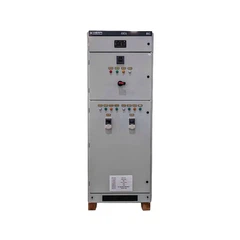
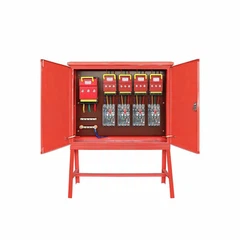
As a power distribution cabinet supplier, we take grounding very seriously. Our Industrial Power Distribution Box is designed with proper grounding in mind. We use high - quality grounding electrodes and conductors to ensure the safety and reliability of our products. Our Motor Control Cabinet also has a well - designed grounding system to protect the motor and other electrical components. And our Distro Power Box is no exception. We make sure that all our products meet the highest standards of grounding to provide our customers with a safe and efficient electrical solution.
Contact Us for Purchase and Consultation
If you're in the market for a power distribution cabinet or have any questions about grounding, don't hesitate to reach out. We're here to help you choose the right product and ensure that it's installed and grounded properly. Whether you need a small industrial power distribution box or a large motor control cabinet, we've got you covered.
References
- National Electrical Code (NEC)
- IEEE Standard for Electrical Safety in the Workplace
- Electrical Installation Guidebooks
Send Inquiry