

What are the harmonic suppression measures in a Compact Unit Substation?
Aug 25, 2026
Leave a message
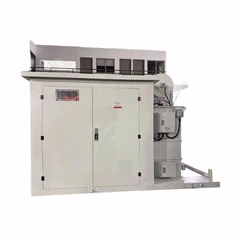
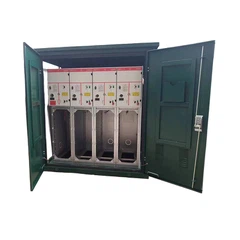
Harmonic suppression is a critical aspect in the operation of a Compact Unit Substation. As a supplier of Compact Unit Substations, we understand the importance of addressing harmonics to ensure the reliable and efficient operation of electrical systems. In this blog, we will explore the various harmonic suppression measures that can be implemented in a Compact Unit Substation.
Understanding Harmonics in Compact Unit Substations
Harmonics are unwanted frequencies that are multiples of the fundamental frequency (usually 50 or 60 Hz) in an electrical system. They are generated by non-linear loads such as power electronic devices, variable speed drives, and rectifiers. In a Compact Unit Substation, these non-linear loads can cause a range of problems, including overheating of equipment, increased power losses, and interference with communication systems.
The presence of harmonics can also lead to voltage distortion, which can affect the performance of sensitive equipment connected to the substation. Therefore, it is essential to implement effective harmonic suppression measures to minimize the impact of harmonics on the electrical system.
Harmonic Suppression Measures
Passive Filters
Passive filters are one of the most common methods used to suppress harmonics in a Compact Unit Substation. These filters consist of passive components such as resistors, inductors, and capacitors, which are designed to absorb and divert harmonic currents away from the electrical system.
There are several types of passive filters, including single-tuned filters, high-pass filters, and band-pass filters. Single-tuned filters are designed to target specific harmonic frequencies, while high-pass filters are used to suppress high-frequency harmonics. Band-pass filters, on the other hand, are designed to target a range of harmonic frequencies.
Passive filters are relatively simple and cost-effective to install. However, they have some limitations. For example, they can only be designed to target specific harmonic frequencies, and they may not be effective in suppressing harmonics that vary over time.
Active Filters
Active filters are another effective method of harmonic suppression in a Compact Unit Substation. Unlike passive filters, active filters use power electronics to actively inject harmonic currents into the electrical system that are equal in magnitude but opposite in phase to the harmonic currents generated by non-linear loads.
Active filters can be more effective than passive filters in suppressing harmonics, especially in systems where the harmonic frequencies vary over time. They can also provide additional benefits such as power factor correction and voltage regulation.
However, active filters are more complex and expensive to install than passive filters. They also require more maintenance and monitoring to ensure their proper operation.
Power Factor Correction
Power factor correction is another important aspect of harmonic suppression in a Compact Unit Substation. Power factor is a measure of how effectively electrical power is being used in a system. A low power factor can result in increased power losses and reduced efficiency.
By improving the power factor of the electrical system, the amount of harmonic currents generated by non-linear loads can be reduced. This can be achieved by using power factor correction capacitors, which are designed to compensate for the reactive power in the system.
Power factor correction capacitors can be installed at the load or at the substation level. They are relatively simple and cost-effective to install, and they can provide significant benefits in terms of reducing power losses and improving the overall efficiency of the electrical system.
Transformer Design
The design of the transformer in a Compact Unit Substation can also play a role in harmonic suppression. Transformers are designed to transfer electrical energy from one circuit to another, and they can be affected by harmonics in the electrical system.
By using a transformer with a low impedance and a high k-factor rating, the impact of harmonics on the transformer can be reduced. The k-factor rating is a measure of the transformer's ability to handle non-linear loads without overheating.


In addition, the use of a delta-wye transformer configuration can help to reduce the flow of harmonic currents in the electrical system. The delta winding of the transformer can act as a path for the third harmonic currents, which can help to reduce the overall harmonic distortion in the system.
Benefits of Harmonic Suppression in Compact Unit Substations
Implementing effective harmonic suppression measures in a Compact Unit Substation can provide several benefits, including:
- Improved Equipment Reliability: By reducing the impact of harmonics on electrical equipment, the reliability and lifespan of the equipment can be improved. This can help to reduce maintenance costs and downtime.
- Increased Energy Efficiency: Harmonics can cause increased power losses in the electrical system. By suppressing harmonics, the energy efficiency of the system can be improved, resulting in lower energy costs.
- Reduced Interference: Harmonics can cause interference with communication systems and other sensitive equipment. By suppressing harmonics, the interference can be reduced, ensuring the proper operation of these systems.
- Compliance with Standards: Many electrical standards and regulations require the suppression of harmonics in electrical systems. By implementing effective harmonic suppression measures, the Compact Unit Substation can comply with these standards and regulations.
Conclusion
Harmonic suppression is an important aspect of the operation of a Compact Unit Substation. By implementing effective harmonic suppression measures such as passive filters, active filters, power factor correction, and transformer design, the impact of harmonics on the electrical system can be minimized.
As a supplier of Compact Unit Substation, we are committed to providing our customers with high-quality products and solutions that meet their specific needs. If you are interested in learning more about our Compact Unit Substations or our harmonic suppression solutions, please contact us to discuss your requirements and explore how we can help you achieve a reliable and efficient electrical system.
In addition to Compact Unit Substation, we also offer Kiosk Type Substation and Low Voltage Substation solutions. Our team of experts can work with you to design and implement a customized solution that meets your specific requirements.
References
- IEEE Standard 519-2014, Recommended Practices and Requirements for Harmonic Control in Electrical Power Systems.
- International Electrotechnical Commission (IEC) 61000-3-2, Electromagnetic compatibility (EMC) - Part 3-2: Limits - Limits for harmonic current emissions (equipment input current ≤ 16 A per phase).
- Electric Power Research Institute (EPRI), Harmonics in Electric Power Systems: A Guide for Utilities and Industry.
Send Inquiry