

What are the expansion capabilities of a Compact Unit Substation?
Jul 16, 2026
Leave a message
As a supplier of Compact Unit Substations, I often get asked about the expansion capabilities of these nifty pieces of equipment. Compact Unit Substations are a game - changer in the power distribution world, and understanding their expansion capabilities is crucial for anyone looking to invest in them.
Understanding Compact Unit Substations
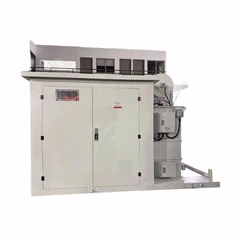
First off, let's quickly go over what a Compact Unit Substation is. It's a pre - fabricated, self - contained unit that combines high - voltage switchgear, a transformer, and low - voltage switchgear all in one compact package. They're used to step down high - voltage electricity from the grid to a level that can be used by commercial, industrial, or residential consumers.
Expansion in Terms of Capacity
One of the most important expansion capabilities of a Compact Unit Substation is the ability to increase its power capacity. As your business grows or the demand for electricity in a particular area goes up, you might need more power. Compact Unit Substations can often be upgraded to handle higher loads.
For example, if you start with a smaller substation with a lower power rating, you can sometimes add additional transformers or upgrade the existing ones. This is a relatively straightforward process in many cases, especially if the substation was designed with expansion in mind. Some models are built with modular components, which means you can easily swap out or add parts to increase the capacity.
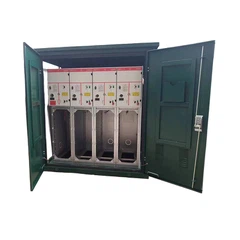
If you're interested in a higher - capacity option right from the start, you might want to check out our 33 KV Compact Substation. It's designed to handle larger power demands and can be a great choice for industrial areas or large commercial complexes.
Adding New Circuits
Another key expansion aspect is the ability to add new circuits. As new equipment or facilities are added to a site, you'll need to provide power to them. Compact Unit Substations usually have provisions for adding new low - voltage circuits.
You can install additional circuit breakers or switchgear modules to create new electrical paths. This allows you to connect new machinery, lighting systems, or other electrical loads without having to replace the entire substation. It's a cost - effective way to expand your power distribution network as your needs change.
Upgrading Protection and Control Systems
As technology advances, the protection and control systems in a substation can become outdated. Compact Unit Substations offer the possibility of upgrading these systems. You can install new relays, sensors, and monitoring devices to improve the safety and efficiency of the substation.
For instance, modern protection systems can detect faults more quickly and isolate them, reducing the risk of power outages. Upgrading the control systems can also allow for better remote monitoring and management of the substation, which is especially useful for large - scale operations.
Integrating Renewable Energy Sources
With the increasing popularity of renewable energy, many customers are looking to integrate solar panels, wind turbines, or other renewable sources into their power systems. Compact Unit Substations can be expanded to accommodate these new energy sources.
You can add inverters and other equipment to convert the DC power from solar panels or the variable - frequency power from wind turbines into AC power that can be fed into the grid or used on - site. This not only helps in reducing the carbon footprint but also provides a more sustainable power solution.
Expansion in Physical Space
Sometimes, you might need to expand the physical footprint of the substation. If there's limited space initially, but you anticipate future growth, some Compact Unit Substations are designed to be easily expandable in terms of size.
You can add additional enclosures or modules to the existing substation structure. This is particularly useful in areas where space is at a premium, but you still need to increase the capacity or functionality of the substation.
Considerations for Expansion
Before you start expanding your Compact Unit Substation, there are a few things to keep in mind. First, you need to ensure that the existing infrastructure can support the expansion. This includes checking the electrical connections, the foundation, and the ventilation systems.


You also need to comply with local electrical codes and regulations. Expansion work often requires permits, and you need to make sure that all the new equipment and installations meet the safety standards.
Our Product Range
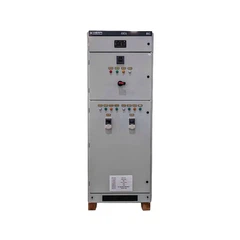
We offer a wide range of Compact Unit Substations to suit different needs. In addition to the 33 KV Compact Substation, we also have the 11 KV Compact Substation, which is a popular choice for smaller commercial and industrial applications. And for those looking for a lower - voltage solution, our Low Voltage Substation is a great option.
Conclusion
The expansion capabilities of Compact Unit Substations are quite impressive. Whether you need to increase the power capacity, add new circuits, upgrade the protection systems, integrate renewable energy, or expand the physical space, these substations offer a lot of flexibility.
If you're in the market for a Compact Unit Substation or looking to expand an existing one, we're here to help. Our team of experts can guide you through the process, ensuring that you get the right solution for your specific needs. Don't hesitate to reach out for a consultation and let's start discussing how we can meet your power distribution requirements.
References
- Electrical Power Distribution Handbook, by T. A. Short
- Substation Design and Engineering, by R. J. Harker
Send Inquiry