

What are the data logging features of a Compact Transformer Substation?
Sep 01, 2026
Leave a message
In the realm of modern power distribution, Compact Transformer Substations have emerged as a cornerstone for efficient and reliable electricity supply. As a leading supplier of these innovative substations, we understand the critical role that data logging plays in ensuring optimal performance and maintenance. In this blog, we will delve into the data logging features of a Compact Transformer Substation, exploring how they contribute to enhanced monitoring, troubleshooting, and overall system efficiency.
Understanding Compact Transformer Substations
Before we dive into the data logging features, let's briefly understand what a Compact Transformer Substation is. These substations are self - contained units that combine transformers, switchgear, and other electrical equipment into a single, compact structure. They are designed to be installed in a variety of settings, from urban areas to industrial complexes, providing a reliable and cost - effective solution for power distribution.
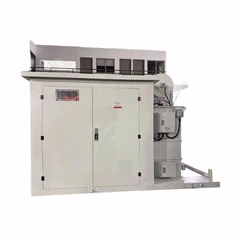
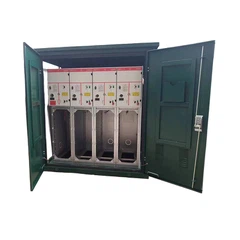
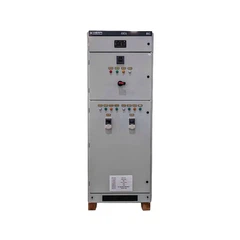
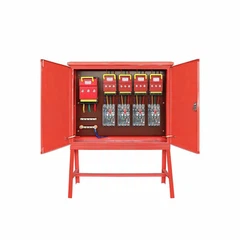
There are different types of Compact Transformer Substations, such as Kiosk Type Substation, Master Unit Substation, and Compact Substation Unit. Each type has its own unique features and applications, but they all share the common goal of efficient power distribution.
The Importance of Data Logging
Data logging is the process of recording electrical parameters and other relevant information over a period of time. In a Compact Transformer Substation, data logging serves several crucial purposes:


Monitoring and Analysis
Data logging allows operators to monitor the performance of the substation in real - time. By recording parameters such as voltage, current, power factor, and temperature, operators can identify trends and patterns that may indicate potential issues. For example, a sudden increase in temperature could be a sign of an overloaded transformer or a faulty component. By analyzing the logged data, operators can take proactive measures to prevent equipment failure and ensure the continuous supply of electricity.
Troubleshooting
When a problem occurs in the substation, the logged data can be invaluable for troubleshooting. By reviewing the historical data, technicians can determine the sequence of events leading up to the failure and identify the root cause. This can significantly reduce the time and cost of repairs, as well as minimize downtime.
Compliance and Reporting
Many regulatory bodies require power utilities to maintain records of substation performance. Data logging provides a reliable way to meet these requirements. The logged data can be used to generate reports on energy consumption, power quality, and equipment performance, which can be submitted to regulatory authorities for compliance purposes.
Key Data Logging Features
Voltage and Current Monitoring
One of the most basic yet important data logging features is the monitoring of voltage and current. The substation's data logger continuously measures the voltage and current levels at various points in the system. This information is crucial for ensuring that the electrical equipment is operating within the specified limits. Deviations from the normal voltage and current levels can indicate problems such as overloading, short circuits, or faulty components.
Power Factor Monitoring
Power factor is a measure of how effectively electrical power is being used. A low power factor can result in increased energy consumption and higher electricity bills. The data logger in a Compact Transformer Substation monitors the power factor and records the data over time. By analyzing the power factor data, operators can identify opportunities to improve the efficiency of the substation and reduce energy costs.
Temperature Monitoring
Temperature is a critical parameter in a substation, as high temperatures can cause equipment damage and reduce its lifespan. The data logger monitors the temperature of the transformer, switchgear, and other components. If the temperature exceeds a certain threshold, an alarm can be triggered, alerting operators to take action. This helps to prevent overheating and ensure the safe operation of the substation.
Energy Consumption Monitoring
Monitoring energy consumption is essential for managing the cost and efficiency of the substation. The data logger records the amount of energy consumed by the substation over a period of time. This information can be used to analyze energy usage patterns, identify peak demand periods, and implement energy - saving measures.
Event Logging
In addition to continuous monitoring of electrical parameters, the data logger also records events such as switch operations, faults, and alarms. This event logging feature provides a detailed history of the substation's operation, which can be used for troubleshooting and performance analysis. For example, if a fault occurs, the event log can show the exact time and location of the fault, as well as the sequence of events leading up to it.
Data Storage and Retrieval
The data logged by the substation's data logger is typically stored in a local memory or a remote server. The storage capacity of the data logger can vary depending on the model and requirements. Some data loggers can store data for several months or even years, allowing operators to access historical data for long - term analysis.
Retrieving the logged data is also an important aspect. Most data loggers support various communication protocols, such as Modbus, Ethernet, or cellular, which allow operators to access the data remotely. This enables real - time monitoring and analysis, even when the operator is not on - site.
Integration with SCADA Systems
Many Compact Transformer Substations are integrated with Supervisory Control and Data Acquisition (SCADA) systems. A SCADA system allows operators to monitor and control the substation from a central location. The data logged by the substation's data logger can be transmitted to the SCADA system, where it can be analyzed and used for decision - making.
The integration with SCADA systems also enables remote control of the substation. Operators can use the SCADA system to switch on or off equipment, adjust settings, and receive real - time alerts. This improves the efficiency and reliability of the substation, as well as reduces the need for on - site personnel.
Conclusion
The data logging features of a Compact Transformer Substation play a vital role in ensuring its efficient and reliable operation. By monitoring electrical parameters, recording events, and storing data for analysis, these features provide operators with valuable insights into the performance of the substation. Whether it's for monitoring, troubleshooting, compliance, or energy management, data logging is an essential tool for modern power distribution.
If you are interested in learning more about our Compact Transformer Substations and their data logging features, or if you are considering a purchase, we encourage you to reach out to us. Our team of experts is ready to assist you in finding the right solution for your specific needs.
References
- Electrical Power Distribution Handbook by Richard H. Ott.
- Substation Design and Analysis by John D. McDonald.
Send Inquiry