

How to ensure the grounding of low voltage switchgear?
Jun 12, 2026
Leave a message
Ensuring the proper grounding of low voltage switchgear is a critical aspect of electrical system safety and performance. As a supplier of low voltage switchgear, I understand the importance of this process and the impact it has on the overall functionality of electrical installations. In this blog post, I will discuss the key steps and considerations for ensuring the grounding of low voltage switchgear.
Understanding the Importance of Grounding
Grounding is the process of connecting electrical equipment to the earth to provide a safe path for electrical current in the event of a fault. In the case of low voltage switchgear, proper grounding helps to protect personnel from electric shock, prevent equipment damage, and ensure the reliable operation of the electrical system.
When a fault occurs in the electrical system, such as a short circuit, the grounding system provides a low - resistance path for the fault current to flow to the earth. This helps to limit the voltage rise on the equipment and reduces the risk of electrical fires and other hazards.
Key Steps for Grounding Low Voltage Switchgear
1. Design and Planning
- Conduct a Site Survey: Before installing low voltage switchgear, it is essential to conduct a thorough site survey. This includes assessing the soil resistivity, which can vary depending on the location and type of soil. A lower soil resistivity is desirable for effective grounding.
- Select the Appropriate Grounding System: There are different types of grounding systems, such as the TN - S, TN - C - S, and TT systems. The choice of grounding system depends on various factors, including the electrical installation requirements, local regulations, and the type of load.
- Determine the Grounding Conductor Size: The size of the grounding conductor is crucial for ensuring the proper flow of fault current. It should be calculated based on the maximum fault current that the switchgear may experience and the allowable voltage drop.
2. Installation of Grounding Electrodes
- Ground Rod Installation: Ground rods are commonly used as grounding electrodes. They should be installed vertically in the ground to a depth of at least 2.5 meters. Multiple ground rods may be required, and they should be spaced at a distance of at least 3 meters apart to ensure effective grounding.
- Bonding of Grounding Electrodes: All grounding electrodes should be bonded together to create a single, continuous grounding system. This helps to ensure that the fault current is distributed evenly and reduces the risk of potential differences between different parts of the grounding system.
3. Grounding of Switchgear Enclosures
- Bonding of Enclosures: The switchgear enclosures should be bonded to the grounding system. This can be achieved by using bonding conductors, which are typically made of copper or aluminum. The bonding conductors should be securely connected to the enclosure and the grounding system to ensure a low - resistance connection.
- Connection to the Main Grounding Bus: The switchgear should be connected to the main grounding bus in the electrical installation. This provides a direct path for the fault current to flow to the earth.
4. Testing and Inspection
- Ground Resistance Testing: After the installation of the grounding system, it is essential to conduct ground resistance testing. This helps to verify that the grounding system has a low resistance and is capable of safely carrying the fault current. The ground resistance should be measured using a ground resistance tester, and the results should be within the acceptable limits specified by the relevant standards.
- Visual Inspection: Regular visual inspections should be carried out to check for any signs of damage or corrosion to the grounding conductors and electrodes. Any damaged or corroded components should be replaced immediately to ensure the integrity of the grounding system.
Special Considerations for Different Types of Low Voltage Switchgear
Power Factor Correction Panel
Power factor correction panels are used to improve the power factor of the electrical system. When grounding a Power Factor Correction Panel, it is important to ensure that all the components, such as capacitors and contactors, are properly grounded. The grounding system should be designed to handle the fault current that may occur in the event of a capacitor failure.
Power Factor Controller Panel
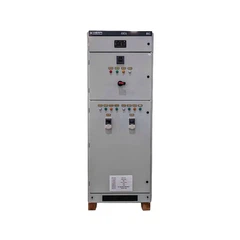
The Power Factor Controller Panel is responsible for controlling the power factor correction equipment. It should be grounded separately from the main switchgear to prevent interference and ensure accurate operation. The grounding conductor for the power factor controller panel should be sized according to the requirements of the controller and the electrical system.
Mns Low Voltage Switchgear
Mns Low Voltage Switchgear is a modular type of switchgear that offers flexibility and ease of installation. When grounding Mns low voltage switchgear, it is important to ensure that all the modules are properly bonded together and connected to the main grounding system. The grounding system should be designed to accommodate the high fault currents that may occur in a modular switchgear installation.
The Role of Standards and Regulations
Compliance with relevant standards and regulations is essential for ensuring the proper grounding of low voltage switchgear. Standards such as the International Electrotechnical Commission (IEC) 61439 series and the National Electrical Code (NEC) provide guidelines for the design, installation, and testing of grounding systems. These standards help to ensure the safety and reliability of electrical installations and protect personnel and equipment from electrical hazards.


Conclusion
Ensuring the grounding of low voltage switchgear is a complex but essential process that requires careful planning, installation, and testing. By following the key steps and considerations outlined in this blog post, you can ensure that your low voltage switchgear is properly grounded and operating safely.
If you are in the market for high - quality low voltage switchgear and need assistance with grounding or other electrical system requirements, we are here to help. Our team of experts can provide you with the knowledge and support you need to make the right decisions for your electrical installation. Contact us today to start a discussion about your procurement needs and how we can work together to ensure the success of your project.
References
- International Electrotechnical Commission (IEC). IEC 61439 series - Low - voltage switchgear and controlgear assemblies.
- National Fire Protection Association (NFPA). National Electrical Code (NEC).
Send Inquiry