

What Is The Lifespan Of A Prefabricated Substation?
Apr 07, 2026
Leave a message
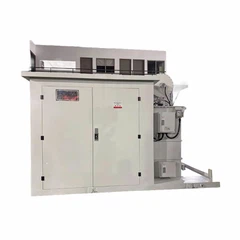
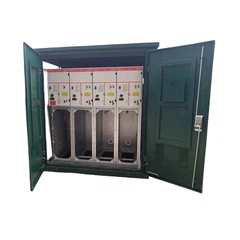
The lifespan of a prefabricated substation is typically between 20 and 30 years, but the specific lifespan is influenced by multiple factors, including manufacturing quality, operating environment, load conditions, and maintenance.
Core Influencing Factors
Manufacturing Quality: High-quality materials and processes significantly extend equipment lifespan. For example, using weather-resistant steel structures can extend the lifespan of the main frame by 20%, and silicone rubber composite insulators have three times the anti-flashover capability of traditional porcelain insulators.
Operating Environment: Coastal areas need to cope with salt spray corrosion; industrial areas should be protected against chemical gas corrosion; high temperature and humidity environments easily cause condensation, accelerating aging.
Therefore, strengthening anti-corrosion and anti-condensation design (such as IP43 and above protection levels) is crucial for extending lifespan.
Load Conditions: Long-term overload operation accelerates the aging of transformer coils and insulation materials, shortening equipment lifespan. While American-style prefabricated substations allow for short-term overload (e.g., 1.6 times 7 hours), long-term overload operation is not recommended.
Maintenance and Upkeep: Regular inspections can effectively prevent malfunctions:
Infrared thermal imaging to detect connector temperature; Oil chromatography analysis to determine transformer condition; Clean dust and keep the interior dry; Check surge arresters, ventilation systems, and seals.
Send Inquiry