

What are the installation requirements for low - voltage AC switchgear?
Jul 20, 2026
Leave a message
As a supplier of low-voltage AC switchgear, I understand the importance of proper installation to ensure the safe and efficient operation of electrical systems. Low-voltage AC switchgear is a crucial component in electrical distribution networks, used to control, protect, and isolate electrical equipment. In this blog, I will discuss the installation requirements for low-voltage AC switchgear, covering aspects such as site preparation, mounting, wiring, and safety considerations.


Site Preparation
The first step in installing low-voltage AC switchgear is to prepare the installation site. The site should be clean, dry, and well-ventilated to prevent the accumulation of dust, moisture, and other contaminants that could damage the switchgear. It is also important to ensure that the site has sufficient space to accommodate the switchgear and allow for easy access for maintenance and operation.
- Level and Stable Surface: The switchgear should be installed on a level and stable surface to prevent it from tipping over or vibrating during operation. If the surface is uneven, shims can be used to level the switchgear.
- Clearance Requirements: Adequate clearance should be maintained around the switchgear to allow for proper ventilation and access for maintenance. The clearance requirements may vary depending on the type and size of the switchgear, as well as the local electrical codes and regulations.
- Environmental Considerations: The installation site should be protected from extreme temperatures, humidity, and other environmental factors that could affect the performance of the switchgear. If necessary, the switchgear can be installed in a climate-controlled enclosure.
Mounting
Once the site is prepared, the next step is to mount the low-voltage AC switchgear. The switchgear can be mounted on a wall, a floor stand, or a panel. The mounting method should be chosen based on the type and size of the switchgear, as well as the available space and the specific requirements of the installation.
- Wall Mounting: Wall mounting is a common method for installing low-voltage AC switchgear, especially for smaller units. The switchgear should be mounted securely to the wall using appropriate mounting brackets and hardware. It is important to ensure that the wall can support the weight of the switchgear and that the mounting brackets are properly installed.
- Floor Stand Mounting: Floor stand mounting is suitable for larger switchgear units or when the switchgear needs to be installed in a specific location. The floor stand should be stable and level, and the switchgear should be securely attached to the stand using bolts or other fasteners.
- Panel Mounting: Panel mounting is often used for switchgear that is part of a larger electrical panel or control system. The switchgear should be mounted on a panel that is designed to accommodate the specific type and size of the switchgear. The panel should be securely installed and grounded to ensure the safety of the electrical system.
Wiring
Proper wiring is essential for the safe and efficient operation of low-voltage AC switchgear. The wiring should be installed in accordance with the manufacturer's instructions and the local electrical codes and regulations.
- Cable Selection: The cables used for the switchgear should be selected based on the electrical load, the voltage rating, and the environmental conditions. The cables should be of the appropriate size and type to ensure that they can carry the required current without overheating.
- Cable Routing: The cables should be routed in a neat and organized manner to prevent damage and interference. The cables should be supported and secured to prevent them from sagging or moving during operation.
- Termination: The cables should be terminated properly using appropriate connectors and terminals. The connections should be tight and secure to prevent loose connections that could cause arcing or other electrical problems.
- Grounding: The switchgear should be properly grounded to protect against electrical shock and to ensure the safe operation of the electrical system. The grounding system should be installed in accordance with the local electrical codes and regulations.
Safety Considerations
Safety is of utmost importance when installing low-voltage AC switchgear. The following safety considerations should be taken into account during the installation process:
- Personal Protective Equipment (PPE): The installation personnel should wear appropriate PPE, such as safety glasses, gloves, and hard hats, to protect themselves from electrical hazards.
- Lockout/Tagout Procedures: Before starting the installation, the electrical power should be shut off and the switchgear should be locked out and tagged to prevent accidental energization.
- Electrical Safety Training: The installation personnel should receive proper electrical safety training to ensure that they understand the hazards associated with working with electrical equipment and how to prevent electrical accidents.
- Inspection and Testing: After the installation is complete, the switchgear should be inspected and tested to ensure that it is functioning properly and that all electrical connections are secure.
Additional Considerations
In addition to the above installation requirements, there are some additional considerations that should be taken into account when installing low-voltage AC switchgear:
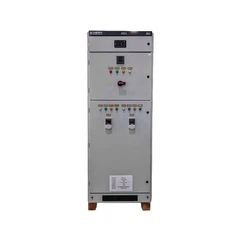
- Power Factor Controller Panel: For applications where power factor correction is required, a Power Factor Controller Panel can be installed. This panel helps to improve the power factor of the electrical system, reducing energy consumption and costs.
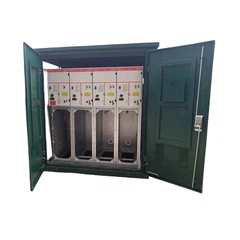
- Lv And Hv Switchgear: In some cases, low-voltage AC switchgear may need to be integrated with high-voltage switchgear. When installing such systems, it is important to ensure that the switchgear is compatible and that the appropriate safety measures are in place. You can find more information about Lv And Hv Switchgear on our website.
- Power Factor Correction Panel: A Power Factor Correction Panel can be used to improve the power factor of the electrical system by reducing the reactive power. This helps to improve the efficiency of the electrical system and reduce energy costs.
Conclusion
Proper installation of low-voltage AC switchgear is essential for the safe and efficient operation of electrical systems. By following the installation requirements and safety considerations outlined in this blog, you can ensure that your switchgear is installed correctly and that it will provide reliable performance for years to come.
If you are in the market for low-voltage AC switchgear or have any questions about the installation process, please feel free to contact us. Our team of experts is available to provide you with the information and support you need to make the right decision for your electrical system.
References
- Electrical Installation Guide for Low-Voltage Switchgear, Manufacturer's Manual
- National Electrical Code (NEC)
- International Electrotechnical Commission (IEC) Standards
Send Inquiry